
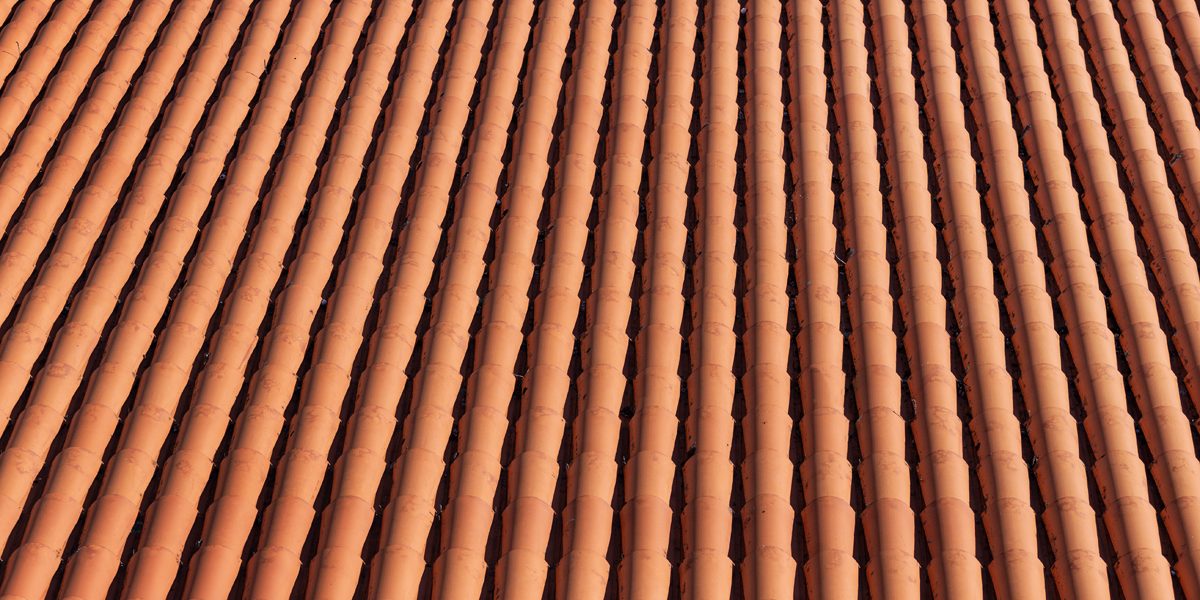
Leaks coming through clay tile roofs can cause damage to insulation, ceilings and much more. Clay tile roofing can be susceptible to leaks due to a combination of age, tile condition and installation methods. Repair processes will differ based on the cause of the issue. Let’s look at the best ways to repair clay tile roofing below.
How To Repair A Tile Roof
Tile roofing is undoubtedly durable, yet all roofing systems will need minor repairs and maintenance over time. Use the following tools and steps as a guide to repairing a tile roof.
Necessary tools and materials:
- Wet Saw
- Nails
- Hanger Strap
- Pry Bar
- Hammer
- Caulk Gun
- Mortar
- Waterproof Membrane
- RT-600 Tile Roof Sealer In Terracotta Color
Step 1. Identify Cause
There are several reasons why clay tiles may leak. Some issues may relate to tile roof installation, but here are some other common problems with clay tiles:
- Cracked Tiles
- Broken Tiles
- Collection Of Debris
- Worn Out Waterproof Membrane
To properly fix the issue, you’ll have to focus on the specific situation. Clay tiles do break under pressure, so make sure to be careful during this process.
Step 2. Fix The Membrane
If the issue is in the waterproof membrane, you must remove the tiles and replace the membrane. Next, you will have to retile your roof. Professionals may be needed for removal and re-tiling.
Step 3. Remove The Debris
Closed in roof valleys will collect a lot of debris over time. An excess of debris can lead to leaks. You will have to remove tiles from the area, then clean the area and reinstall the tiles to clear the debris. You can avoid collecting debris by converting your roof valleys to an open look.
Step 4. Fix The Cracks
If you notice any fine cracks within these tiles, repair them by applying RT-600. Put this on the cracked tiles and allow it to spread until the entire tile is dry.
Step 5. Fix Broken Tiles
You’ll need to replace tiles that are cracked or broken in order to fix any leaks. It’s easiest to remove damaged tiles by using a pry bar. A hammer is helpful to have during the removal process, but always be careful to not damage the tiles that are in good shape. If the roofing system is older, it’s quite possible it has been previously fixed with mortar. If this is the case, then place the new tiles and use mortar to secure them.
Modern roofing systems feature nails holding the tiles in place. A holder lash will be needed in this scenario. Carefully set the new tile on the holder lash, then hang it where it needs to be fitted. Refrain from forcing the tile into place. A wet saw can be used to cut the edges, if necessary. Hammer the nails into the top of the tiles, then secure tile to roof. Apply mortar or RT-600 to the sides as a final step.
How To Repair A Leaking Concrete Tile Roof
While a concrete tile roof will be durable enough for your home, it doesn’t always hold up against extreme weather. The good news is it is very easy to replace leaking tiles yourself. Follow our guide below.
Step 1. Inspect Roofing
Start the repair process by checking the tiles to assess the amount of damage. A visual examination will help you determine how many tiles need to be replaced. When checking the tiles from the rooftop, you will be able to properly assess the damage before starting any repairs. It may be possible to visually inspect the roofing from your attic.
Step 2. Gather Proper Equipment
Once you figure out how many tiles you need, purchase a few extra just in case any break during the repairs. Remove the cracked/broken tiles from the roof. Gather all tools and equipment that will make this job as easy as possible. Wear shoes that have the right soles to make sure you will not slip or slide while on the roofing.
Step 3. Remove Damaged Tiles
Use a ladder and make your way to the leaking area of the rooftop. If multiple tiles need to be replaced, start at one end, working your way across. Remove the first tile and lift it carefully to allow a crowbar to slide beneath it. Give the length of the crowbar a chance to lay on it askew and to one side if the roofing system that’s in place. Now, you’ll be able to lift the tile to one side and keep it held up by the other side. Simply slide the tile out.
Step 4. Replace The Tiles
Reverse the procedure you used to remove the tiles in order to replace them. The crowbars should provide plenty of space to the see the holdings. You can now adjust them, if needed. It should still be easy to replace the tiles without any adjustments, though. Once into place, hold onto the raised tiles and slide the first crowbar from where it was. Do the same with the other crowbar, while avoiding scratching the tiles. Replace the flashing if the broken tiles have caused it any damage.
How To Repair The Flashing For Clay Tile Roofs
Knowing how to repair the flashing on your clay tile roof can save your home from water damage. Flashing are typically found in chimneys, ridges, skylights, roof valleys and penetrations. They are there to help waterproof the roofing. Flashing is essentially the last defense against water damage. To repair flashing, you will have to replace flashing. Since the roof and chimney are constantly exposed to the elements, wear and tear will undoubtedly happen over time. Be safe and follow our steps below.
Step 1. Remove The Tiles
With your gloves on and using the slate ripped, remove the tiles surrounding the flashing. You may need to remove tiles around them for ease of access.
Step 2. Clean The Area
After the tiles have been removed, dirt, debris and broken tiles should be cleared. Remove the old flashing at this time, as well. Try to remove as much of the tar as possible, if the old flashing contained tar. Flashing is metal, so proceed with caution.
Step 3. Installing Base Support
A copper sheet metal will need to be nailed down. This part becomes the base support for the newly installed flashing. It will also help to prevent sagging under the lower roofing tile. This is simply one more layer water will have to get through to reach the home.
Step 4. Install New Flashing
Using copper nails, secure the flashing and hammer it to the roof deck. Make sure the sides are bent and that it is both back and up. This will stop water from flowing towards the sides. Water needs to be diverted away from any areas it can penetrate.
Step 5. Replace Roof Tiles
Trim and install the new pipes while ensuring the new clay roof tiles match the old ones still on the roof. Use nails to secure them during this step. The tiles need to be laid down in the same fashion and direction when replaced. Clay tiles can be quite unique, so you will need to be careful handling them.
How To Repair A Concrete Tile Roof
In general, concrete tile roofs have a long lifespan. However, this roofing can break due to extreme weather conditions. When the tile roof wears down, there is no choice but to repair or supplant the damaged tiles. With the correct tools and guidelines, you can perform the repairs yourself. Follow our steps below.
Step 1. Take Proper Safety Precautions
Before repairing the solid tile rooftop, you need to make sure you are wearing cowhide gloves and defensive eye glasses. Use a stepping stool for safe rooftop access. Chip away at the harmed tiles deliberately. Be careful, making sure you do not harm different ranges on the solid tile rooftop.
Step 2. Replace The Tiles
The substitution tile needs to be a correct match to the current tile you are replacing. Locate the tile’s model number and producer subtle elements. Getting the right tile is crucial, as a solid tile rooftop takes after a specific example.
Step 3. Use A Crowbar
Carefully insert the crowbar under the part of the concrete tile that’s damaged. Place the crowbar into the left-hand tip of the tile.
Step 4. Remove Damaged Tiles
Apply slight pressure on the crowbar to remove the damaged tile. This will force the tile upward and you can remove it at this time.
Step 5. Tiles Above Damaged Tiles
Repeat the steps above to place the tile directly over the damaged tile you just removed.
Step 6. Replace Tile
Remove/dispose of the damaged tile at this time. You can now place a new one in the vacant spot. Next, make sure it is fixed securely atop the roof.
Step 7. Secure Tiles
Most newer tiles won’t require nails to hold them in place. Align the tile in the right position, then snap it into place.
Step 8. Repeat Process
Now repeat this process of snapping and fixing the tiles until all the damaged tiles are replaced.
Step 9. Final Touches
Ensure one final time that all the tiles are firmly in place.
Mistakes To Avoid When Repairing Clay Tile Roof
Using the proper technique and equipment is essential to repairing a clay tile rooftop. Clay tile roofs are typically delicate, meaning you have to take additional care when attempting repairs. Avoid making these following mistakes: damaging old tiles, accessing the roof in the wrong area and storing too many materials on the roof while working.
G Keith Roofing and waterproofing in New York
At G Keith Roofing and waterproofing, we know choosing a Roofing Contractor in the New York Area is a tough job. We are here to help make it easier! Locally owned and operated, G Keith Roofing and waterproofing has been providing roof installation and roof repairs throughout the surrounding New York areas since 1995. With each new roofing project, we strive to provide professional, timely service at a fair price. Contact G Keith Roofing and waterproofing right here!
Tile Roof Repair Services Across New York Boroughs
Tile roofing systems are common across many properties in New York, especially in residential neighborhoods where durability and architectural style are equally important. However, clay and concrete tiles require professional attention when repairs are needed. G Keith Roofing and Waterproofing provides reliable tile roof repairs and maintenance services throughout multiple boroughs in New York. Our team understands the structural differences between older tile roofs and modern tile roofing systems, allowing us to repair damage while preserving the appearance and strength of the roof.
Manhattan Tile Roof Repairs
Properties in Manhattan often feature older buildings where tile roofs must be repaired carefully to maintain their original design. Our contractors specialize in repairing cracked tiles, replacing damaged flashing, and restoring waterproof membranes without disrupting the architectural integrity of the building. Whether it is a residential property or a commercial structure, our tile roof repair services in Manhattan ensure long lasting protection against water intrusion and weather damage.
Brooklyn Tile Roofing Services
Brooklyn homes frequently include clay or concrete tile roofs that experience wear from seasonal weather changes. Debris accumulation, cracked tiles, and aging waterproof membranes can all contribute to leaks over time. Our tile roof repair services in Brooklyn focus on identifying the exact cause of the issue and applying targeted solutions such as replacing broken tiles, repairing flashing, and reinforcing vulnerable areas. Proper repairs help extend the life of the roofing system while maintaining the classic appearance of tile roofing.
Queens Tile Roof Maintenance and Repairs
Queens properties often combine traditional roofing materials with newer construction designs. Tile roofs in this borough require regular inspection and maintenance to prevent leaks and structural deterioration. Our roofing specialists provide detailed assessments, replacing worn tiles and repairing flashing around chimneys, skylights, and roof penetrations. Professional tile roof repairs in Queens ensure your roofing system continues to perform effectively while protecting the interior of your home from moisture damage.
Bronx Tile Roof Restoration
In the Bronx, many homes rely on durable roofing systems designed to withstand varying weather conditions. Even strong tile roofs can develop cracks, loose tiles, or membrane damage over time. Our team offers dependable tile roof repair services in the Bronx, addressing problems such as broken tiles, damaged flashing, and debris buildup in roof valleys. By repairing issues early, homeowners can avoid more extensive structural damage and extend the life of their tile roofing system.
Protecting Tile Roofs Throughout New York
Tile roofs are known for their durability and long lifespan, but they still require proper care and professional repair when damage occurs. G Keith Roofing and Waterproofing has been serving homeowners throughout New York since 1995, providing dependable solutions for tile roofs and roof repairs in every borough. Our experienced roofing contractors focus on quality workmanship, ensuring repairs are completed carefully and efficiently so your roof remains strong, secure, and visually appealing.
Whether you need tile roof repair in Manhattan, Brooklyn, Queens, or the Bronx, our team is ready to restore your roof and protect your property from further damage.
Conclustion
Repairing a clay or concrete tile roof requires patience, the right tools, and careful attention to detail. Tiles can crack or break over time, waterproof membranes may wear out, and flashing can deteriorate due to constant exposure to weather. Addressing these issues promptly is essential to prevent water damage to your home, including ceilings, insulation, and interior structures. By following the proper steps for inspecting, removing, and replacing damaged tiles, cleaning debris, and repairing flashing, you can restore your roof’s durability and longevity. Taking precautions and working methodically ensures that repairs are long-lasting, preserves the aesthetics of your roof, and protects your home against leaks and other potential damage for many years.
Frequently Asked Questions
What causes leaks in clay and concrete tile roofs?
Leaks in tile roofs can result from several factors. Cracked or broken tiles are a common cause, as they allow water to penetrate the underlying roofing layers. Over time, the waterproof membrane beneath the tiles can also wear out, reducing its effectiveness. Accumulation of debris in valleys and around tiles can block water flow, leading to leaks. Improper installation or shifting tiles can create gaps that water can enter. Additionally, damaged or improperly installed flashing around chimneys, skylights, and roof penetrations can allow water to seep in. Regular inspections and maintenance help detect these issues before serious damage occurs.
How do I repair a cracked tile?
Cracked tiles can often be repaired using a roof sealer like RT-600, which is applied directly to the crack. Spread the sealer evenly over the affected area and allow it to dry completely to ensure a watertight seal. For larger or more severe cracks, the tile may need to be replaced entirely. When replacing a tile, carefully remove the damaged one without disturbing surrounding tiles, and install a new tile that matches the existing pattern. Ensuring proper alignment and using mortar or nails if required will help maintain the integrity of the roof.
Can I replace broken tiles myself?
Yes, homeowners can replace broken clay or concrete tiles with the proper tools and safety precautions. First, assess the damage and gather replacement tiles that match the existing roof. Carefully remove damaged tiles using a crowbar or pry bar, taking care not to damage neighboring tiles. Install the new tile in the same orientation, securing it with nails, mortar, or holder straps depending on your roof type. Using a wet saw to trim tiles for a precise fit may be necessary. Always work slowly, maintain proper footing, and follow safety measures to prevent accidents or further damage.
What is flashing and why is it important?
Flashing is a metal or waterproof material installed around roof penetrations such as chimneys, skylights, ridges, and valleys. Its primary purpose is to direct water away from these critical areas and prevent leaks. Proper flashing acts as a last line of defense against water infiltration, protecting the roof deck and interior of the home from water damage. Damaged or improperly installed flashing can lead to leaks, rot, and structural issues. Regular inspection and replacement of worn flashing are essential for long-term roof performance.
How do I clean debris from a tile roof?
Debris like leaves, dirt, and small branches can accumulate in roof valleys or between tiles, blocking water flow and causing leaks. To clean, carefully remove tiles in the affected area and clear all debris from the surface. Rinse the area if needed, and ensure that water can flow freely through valleys and gutters. After cleaning, reinstall the tiles securely, making sure they are properly aligned. Converting roof valleys to an open design can help prevent debris from collecting in the future and reduce maintenance requirements.
Do clay and concrete tile roofs need nails or mortar?
The need for nails or mortar depends on the age and type of tile roof. Modern tiles often snap into place or use mechanical fasteners, reducing the need for mortar. Older or previously repaired roofs may require nails or mortar to secure replacement tiles properly. When installing tiles on older roofs, it is important to follow the existing installation method to avoid damaging surrounding tiles or reducing the roof’s waterproofing. Ensuring tiles are firmly secured helps prevent movement during high winds or storms.
What safety precautions should I take when repairing a tile roof?
Safety is critical when working on tile roofs, as tiles can be slippery and fragile. Wear protective gloves and eye protection to prevent injury from broken tiles or tools. Use shoes with proper grip to avoid slipping, and make sure ladders or stepping stools are stable. Avoid walking on tiles directly whenever possible, and distribute your weight carefully to prevent cracking. Do not store heavy materials on the roof while working, and always work slowly and methodically to minimize the risk of accidents or damage to the roof.


