
Brooklyn roofs work harder than many homeowners realize. A roof in Park Slope, Bed-Stuy, Bushwick, Bay Ridge, Flatbush, Williamsburg, or Downtown Brooklyn deals with heavy rain, snow, freeze-thaw movement, summer heat, rooftop equipment, clogged drains, old masonry, parapet walls, skylights, chimneys, and years of patchwork repairs.
That is why people searching for roofing Brooklyn NY, roofing services Brooklyn, Brooklyn roofing services, or roofing Brooklyn are usually not just looking for a roofer. They want straight answers.
They want to know:
- Why is the roof leaking again?
- Is this a small repair or a full replacement?
- How much does a roof inspection cost?
- What should a contractor check during the inspection?
- Does roof work in NYC need a permit?
- Which roof material makes sense for a Brooklyn property?
- How do I avoid paying for another temporary patch?
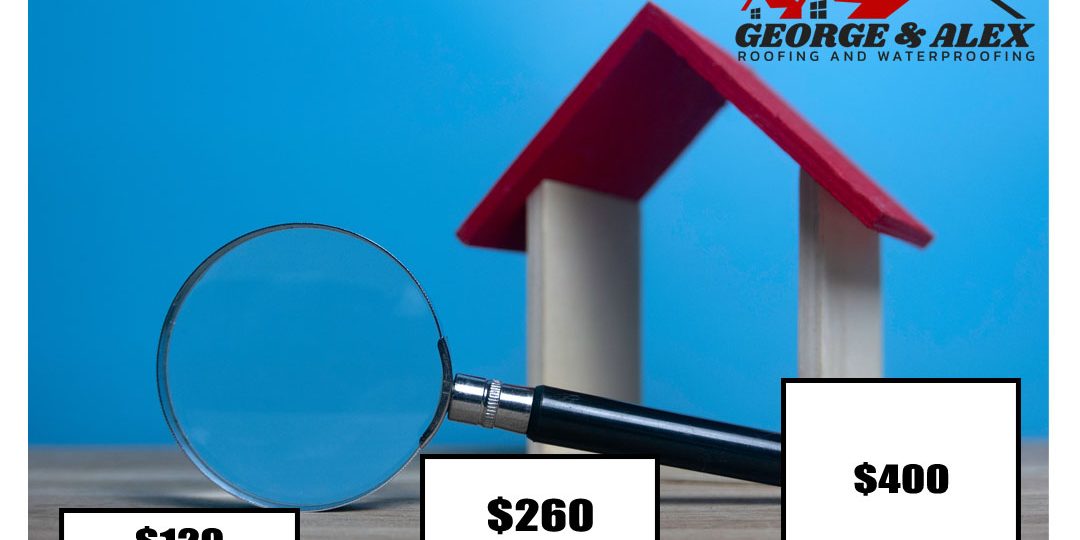
A professional roof inspection is often the smartest first step. In 2026, standard roof inspections commonly range from about $125 to $358, depending on roof size, access, complexity, and inspection method. Other roofing sources still place typical inspections in the broader $120 to $400 range, which matches many homeowner expectations.
For Brooklyn properties, the real value is not just the inspection price. It is what the inspection reveals.
Why Roofing in Brooklyn Is Different
Brooklyn has a mix of older brownstones, row houses, attached brick homes, multi-family buildings, mixed-use properties, commercial flat roofs, and newer developments. Many buildings have low-slope or flat roofing systems instead of steep shingle roofs.
Flat roofs are common across Brooklyn because they fit dense urban buildings, allow rooftop mechanical equipment, and make use of limited space. Local Brooklyn roofing companies often focus heavily on flat roof membranes, modified bitumen, EPDM, TPO, PVC, coatings, skylight flashing, parapet walls, drains, and masonry-related leak points.
That local context matters. A roof leak in Brooklyn may not come from the middle of the roof. It may come from:
- cracked chimney flashing
- failing parapet wall coping
- clogged roof drains
- poor slope toward the drain
- old skylight seals
- open seams in a flat roof membrane
- deteriorated masonry above the roofline
- ponding water around rooftop equipment
- a poorly installed patch from years ago
This is why a quick visual check from the sidewalk is not enough.
How Much Does a Roof Inspection Cost in Brooklyn?
A typical roof inspection can cost around $120 to $400, with many standard inspections landing near the middle of that range. Angi’s 2026 cost data lists standard roof inspection pricing from $125 to $358, with larger roofs increasing the price.
In Brooklyn, inspection pricing can vary because roofs are not always easy to access. A small brownstone roof with safe hatch access may be simpler than a multi-family building with several roof levels, skylights, rooftop units, parapets, and drainage issues.
Factors That Affect Roof Inspection Cost
| Cost Factor | Why It Matters |
|---|---|
| Roof size | Larger roofs take more time to inspect properly |
| Roof access | Hatch, ladder, rear extension, or multiple roof levels can affect labor |
| Roof type | Flat roofs, shingles, slate, metal, or modified bitumen all require different checks |
| Leak investigation | Finding an active leak may take more work than a general condition report |
| Drone or infrared tools | Advanced inspection methods may cost more |
| Documentation | Photos, written reports, insurance notes, or real estate reports may increase cost |
| Emergency timing | Same-day or storm-related inspections may cost more |
A basic inspection may answer, “What condition is the roof in?” A deeper leak inspection should answer, “Where is water entering, why is it happening, and what repair actually solves it?”
When Should You Schedule a Roof Inspection?
Do not wait until water stains spread across the ceiling. Roof problems often start small, especially on flat roofs.
Schedule an inspection when you notice:
- brown ceiling stains
- peeling paint near the top floor
- musty smell after rain
- bubbling roof membrane
- standing water after 48 hours
- loose flashing around vents or chimneys
- cracked skylight seals
- granules in gutters from asphalt shingles
- interior leaks near exterior walls
- roof patches that keep failing
The National Roofing Contractors Association notes that regular inspections can catch cracked or missing shingles, loose seams, failing flashing, gutter granules, and interior signs like discolored drywall or peeling finishes before damage becomes worse.
For Brooklyn property owners, a smart rhythm is:
- once in spring
- once in fall
- after major wind, heavy rain, snow, or hail
- before buying or selling a property
- before installing solar panels or rooftop equipment
- before renovating top-floor interiors
Six Things a Brooklyn Roofing Contractor Should Inspect
A good roof inspection should not be a five-minute walkaround. The contractor should check the full roof system, not just the visible leak area.
1. Roof Drainage and Ponding Water
Flat roofs are not truly flat. They need slope, drains, scuppers, or gutters to move water away. When water sits too long, it adds weight, weakens seams, speeds membrane aging, and increases leak risk.
A contractor should inspect:
- main drains
- scuppers
- gutters
- downspouts
- roof slope
- low spots
- ponding water marks
- debris around drains
In Brooklyn, clogged drains are a common issue because trees, rooftop debris, neighboring buildings, and old drainage layouts can all affect water flow.
2. Roof Membrane or Surface Material
The inspector should identify the actual roof material. This matters because repair methods differ.
Common Brooklyn roofing materials include:
| Roofing Material | Common Use | Main Concern |
|---|---|---|
| Modified bitumen | Flat residential and commercial roofs | Open seams, cracking, blistering |
| EPDM rubber | Low-slope roofs | punctures, shrinkage, seam failure |
| TPO | Energy-conscious flat roofs | seam quality, punctures, installation detail |
| PVC | Commercial flat roofs | flashing and seam performance |
| Asphalt shingles | Sloped residential roofs | curling, missing shingles, granule loss |
| Slate or tile | Older premium homes | broken pieces, flashing failure |
TPO is a single-ply roofing membrane known for heat-welded seams and resistance to heat, UV exposure, and fungal growth, according to GAF’s commercial roofing material guidance.
3. Flashing Around Chimneys, Skylights, Walls, and Vents
Flashing is one of the most important parts of a roofing system. It protects areas where the roof meets walls, chimneys, skylights, vents, parapets, or other roof penetrations.
NRCA guidance explains that flashing helps prevent water from entering at roof junctions, including walls, skylights, chimneys, dormers, vents, and other penetrations.
A Brooklyn roof inspection should check:
- chimney flashing
- skylight flashing
- parapet wall flashing
- pipe boots
- vent flashing
- roof edge metal
- counterflashing
- wall transitions
- old tar patches
Many leaks blamed on “the roof” are actually flashing problems.
4. Roof Decking and Structural Support
The roof deck, also called sheathing, supports the roof system. On older Brooklyn buildings, roof decking may have hidden rot, sagging, water damage, or weak sections under old layers.
A contractor should look for:
- soft spots
- sagging areas
- signs of trapped moisture
- old water damage
- compromised wood decking
- uneven roof surface
- signs of structural movement
If the decking is damaged, simply adding another roof layer is not a real fix.
5. Number of Existing Roof Layers
Some property owners try to save money by installing new roofing over old roofing. This may reduce short-term cost, but it can hide moisture, add weight, and make future tear-off more expensive.
For asphalt shingle roofs, multiple layers can affect removal cost, warranty, ventilation, and performance. For flat roofs, old layers may hide wet insulation or failed seams.
A roofing contractor should check:
- how many layers exist
- whether old layers are trapped under patches
- whether moisture is present below the surface
- whether a tear-off is needed
- whether the roof is too heavy or uneven
6. Ventilation, Attic Conditions, and Interior Clues
Not every Brooklyn roof has a traditional attic, but ventilation still matters for many sloped residential homes. Poor ventilation can trap heat and moisture, leading to mold, deck damage, ice issues, and shorter roof life.
For buildings with attics or crawl spaces, the inspector should check:
- intake ventilation
- exhaust ventilation
- moisture stains
- insulation condition
- mold indicators
- daylight coming through roof gaps
- rusted nails or fasteners
- condensation signs
Interior inspection matters because roof leaks often travel before appearing on a ceiling.
Roof Repair vs Roof Replacement in Brooklyn
A roof repair makes sense when the damage is limited, the roof is not near the end of its life, and the underlying system is still sound.
A replacement makes more sense when:
- leaks keep returning
- membrane seams are failing in many areas
- the roof has widespread cracking
- insulation is wet
- decking is damaged
- flashing is failing across multiple areas
- the roof has too many old layers
- repair cost is close to replacement cost
- the roof is past its expected service life
Real-World Scenario: The Repeat Leak
A homeowner in Brooklyn notices a leak near a skylight. A handyman applies roofing cement around the skylight. The leak stops for two months, then returns after heavy rain.
A proper inspection finds the real issue: the skylight flashing is poorly integrated with the flat roof membrane, and water is backing up because the nearby drain is partly clogged.
The correct repair is not more tar. It is:
- clean and test the drain
- remove failed patch material
- repair or replace skylight flashing
- tie the flashing into the roof membrane correctly
- check surrounding seams
- document the area with photos
That is the difference between patching a symptom and fixing the cause.
Common Roofing Services in Brooklyn
Professional Brooklyn roofing services often include:
- roof inspection
- roof leak detection
- emergency roof repair
- flat roof repair
- flat roof replacement
- modified bitumen installation
- EPDM roof repair
- TPO roof installation
- shingle roof repair
- skylight repair
- chimney flashing repair
- roof coating
- gutter repair
- parapet wall waterproofing
- commercial roofing
- multi-family roofing
- brownstone roof repair
- roof maintenance plans
For Brooklyn properties, roof and masonry issues often overlap. A leak near a wall may come from the parapet, coping stone, brick joint, chimney, or flashing, not only the roof surface.
Brooklyn Flat Roofing Materials Compared
Choosing the right roofing material depends on budget, building type, drainage, rooftop traffic, energy goals, and long-term maintenance plans.
| Material | Best For | Strengths | Watch For |
|---|---|---|---|
| Modified Bitumen | Brownstones, row houses, small commercial roofs | Durable, familiar to many NYC roofers, good for low-slope roofs | Seams, torch quality, ponding areas |
| EPDM | Low-slope roofs needing flexible rubber membrane | Flexible, proven, good cold-weather performance | Dark surface can absorb heat, seams need care |
| TPO | Flat roofs needing reflective surface | UV resistance, heat-welded seams, energy benefits | Installation quality matters |
| PVC | Commercial and higher-performance roofs | Strong seams, chemical resistance | Higher cost |
| Built-Up Roofing | Larger commercial roofs | Multiple layers, long history | Heavy, labor-intensive |
| Asphalt Shingles | Sloped homes | Cost-effective, familiar, many styles | Not for flat roofs |
Brooklyn roofers commonly discuss EPDM, TPO, PVC, modified bitumen, and built-up roofing as major options for flat and low-slope properties.
Does Roof Work in NYC Need a Permit?
Permit rules depend on the work scope. The NYC Department of Buildings states that most construction in New York City requires approval and permits, though some minor alterations may be done without a work permit. The DOB also notes that a Professional Engineer, Registered Architect, or borough officials can explain exceptions.
For roofing, the practical answer is:
- small leak repairs may not need a permit
- structural roof work usually needs a permit
- major roof replacement may trigger filing requirements
- rooftop equipment, decks, terraces, or structural changes may require permits
- co-op and condo buildings may require board approval even when DOB filing is not needed
NYC Local Laws 92 and 94 also matter for certain new buildings and major roof renovations because they require parts of some roofs to be covered with green roofing or solar photovoltaic systems under the NYC Building Code.
Because roofing rules can change by building type and scope, Brooklyn property owners should ask contractors:
- Will this job require DOB filing?
- Are you licensed and insured for NYC work?
- Will you provide written scope and documentation?
- Does this project trigger solar or green roof rules?
- Who handles permits if needed?
How to Choose the Right Roofing Contractor in Brooklyn
A good contractor does not pressure you after five minutes on the roof. They explain what they found, show photos, separate urgent issues from optional upgrades, and give a clear scope.
Look for:
- local Brooklyn roofing experience
- proper licensing and insurance
- written estimate
- roof photos or video documentation
- clear material recommendation
- warranty explanation
- permit guidance
- experience with flat roofs
- experience with brownstones or row houses
- no vague “we’ll fix everything” language
Ask these questions before hiring:
- What caused the leak?
- Is this a repair or replacement issue?
- What material are you recommending and why?
- Will old layers be removed?
- What flashing will be replaced?
- How will drainage be handled?
- Are permits needed?
- What warranty applies to labor and materials?
- What is excluded from the estimate?
- Can you provide before-and-after photos?
Red Flags When Hiring Roofing Services in Brooklyn
Be careful if a contractor:
- gives a price without inspecting the roof
- refuses to provide insurance proof
- only recommends roof coating without checking moisture
- says permits never matter in NYC
- offers a very low cash-only price
- cannot explain the roof system
- wants full payment upfront
- uses only vague terms like “seal it up”
- does not inspect flashing, drains, or roof edges
- avoids written documentation
A cheap roof repair can become expensive if it traps water, hides damage, or delays a needed replacement.
Featured Snippet: What Does a Roof Inspection Include?
A roof inspection includes checking the roof surface, membrane or shingles, flashing, roof penetrations, drainage, gutters, decking, ventilation, skylights, chimneys, parapet walls, signs of leaks, and interior moisture clues. In Brooklyn, inspections should also review flat roof drainage, old patchwork, parapet flashing, rooftop equipment, and permit-related concerns.
Practical Roof Maintenance Tips for Brooklyn Property Owners
A roof lasts longer when small issues are handled early. Here are simple maintenance habits:
- clear roof drains before storm season
- remove leaves and debris from flat roofs
- check skylights after heavy rain
- inspect ceilings after snow melt
- keep gutters flowing
- avoid walking on the roof without need
- do not let contractors place heavy materials directly on the membrane
- schedule inspections before major interior renovations
- document roof condition with photos every year
- repair flashing before it becomes a leak
For flat roofs, drainage is one of the biggest maintenance priorities. Water that stays on the roof can shorten the life of membranes, seams, insulation, and decking.
Cost-Saving Advice That Actually Makes Sense
The cheapest roofing decision is not always the lowest estimate. The best value usually comes from fixing the correct problem.
Smart ways to control cost:
- get a real inspection before approving repairs
- ask for photos of damage
- compare repair vs replacement honestly
- address drainage issues early
- avoid repeated temporary patches
- choose material based on the building, not only price
- keep records for warranties and future sale
- schedule maintenance before winter and spring storms
A $260 inspection can feel unnecessary when there is no active leak, but it may prevent thousands in interior damage if it catches a failing seam, blocked drain, or flashing gap early.
Roofing Brooklyn NY: Search Intent Breakdown
People searching for this topic usually fall into four groups.
| Search Intent | What the User Wants | Best Content Match |
|---|---|---|
| Emergency | Active leak or storm damage | Fast inspection, repair options, contact CTA |
| Research | Learning about costs and materials | Cost guide, comparison tables, inspection checklist |
| Local service | Looking for a Brooklyn roofer | Local service page, trust signals, reviews |
| Decision stage | Choosing repair or replacement | Contractor questions, estimate comparison, material guidance |
This blog targets all four stages without stuffing keywords.
FAQs About Roofing Brooklyn NY
How much does a roof inspection cost in Brooklyn?
A standard roof inspection often costs around $120 to $400, depending on roof size, access, complexity, and report detail. Current 2026 cost data from Angi places standard inspections between $125 and $358.
What are the most common roof problems in Brooklyn?
Common issues include flat roof ponding, clogged drains, cracked flashing, old roof layers, skylight leaks, chimney leaks, parapet wall problems, open seams, and failing roof patches.
Are flat roofs common in Brooklyn?
Yes. Many Brooklyn brownstones, row houses, mixed-use buildings, and commercial properties use flat or low-slope roofs because they fit dense urban construction and allow rooftop access, equipment, and usable roof space.
Do Brooklyn roofing services include emergency repairs?
Many local roofing companies offer emergency leak repair, temporary waterproofing, storm damage checks, and follow-up permanent repairs. Always ask whether the emergency work is temporary or permanent.
Does roof replacement in Brooklyn require a permit?
It depends on scope. NYC DOB says most construction requires approval and permits, but some minor work may be exempt. Structural work, major roof work, rooftop equipment, and certain renovations may require filing.
What is the best roofing material for Brooklyn flat roofs?
Common choices include modified bitumen, EPDM, TPO, PVC, and built-up roofing. The best option depends on drainage, budget, rooftop traffic, energy goals, and existing roof condition.
How often should I inspect my roof?
A good schedule is twice per year, usually spring and fall, plus after severe storms or major snow events. Regular inspection helps catch leaks, flashing failure, drainage problems, and material wear early.
Can a roof leak come from a wall or chimney?
Yes. In Brooklyn, many “roof leaks” actually come from flashing, parapet walls, chimney masonry, coping stones, skylights, or wall transitions.
Should I repair or replace my roof?
Repair may be enough for isolated damage. Replacement is usually better when leaks are widespread, the roof is old, layers are failing, decking is damaged, or repair costs keep adding up.
What should I ask before hiring a Brooklyn roofer?
Ask about licensing, insurance, material choice, inspection findings, roof photos, warranty, permits, drainage, flashing, old layers, and written scope.
