
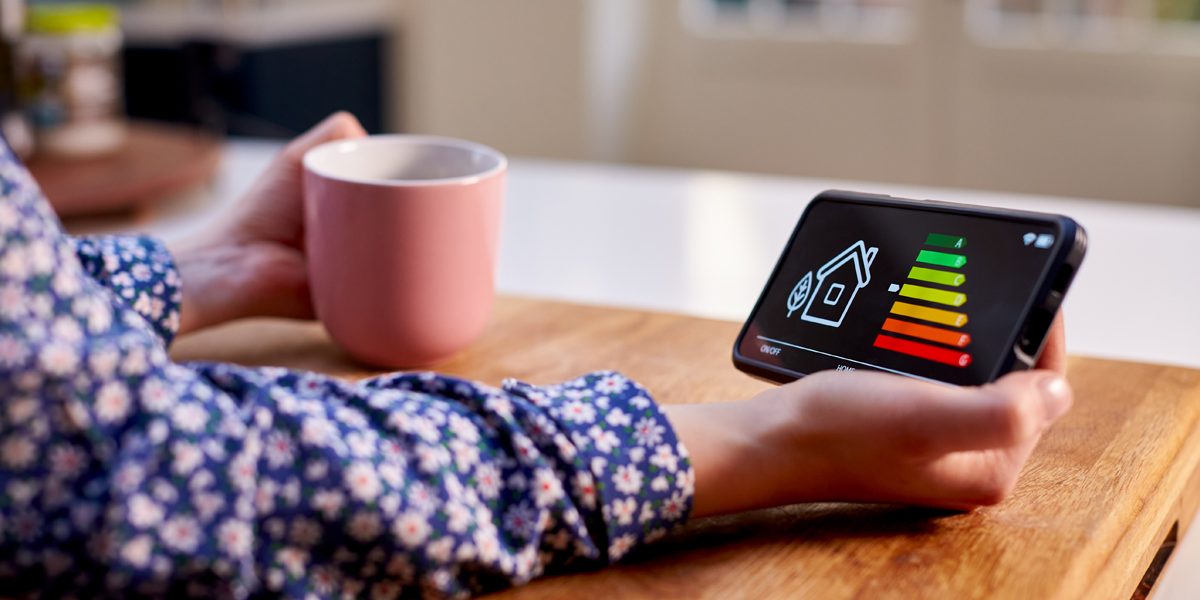
You opened the electricity bill, looked at the number, and immediately thought something was wrong. Maybe it went up $40 last month. Maybe it spiked by $200 over the summer. Either way, you want an actual explanation, not vague advice about “being more conscious of energy use.”
This guide breaks down the eight most common and often overlooked reasons your energy bill is higher than it should be. Each one comes with a concrete fix, not just a suggestion.
Let’s get into it.
Why Energy Bills Spike: What You Need to Know First
Before blaming the utility company, it helps to understand how residential electricity costs actually work. Your bill is shaped by two things: how much electricity you consume (measured in kilowatt-hours, or kWh) and the rate per kWh set by your utility provider.
Both of those numbers can change without you doing anything differently. That’s what makes diagnosing a high energy bill frustrating. The cause might be inside your walls, on your roof, behind your appliances, or in the rate structure you’ve never actually read.
Here are the eight most common culprits.
1. Electricity Rates Have Gone Up (And Will Keep Going Up)
Sometimes your usage stays exactly the same but your bill increases anyway. That’s almost always a rate increase from your utility provider.
According to the U.S. Energy Information Administration (EIA), residential electricity prices in the United States have increased consistently over the past decade, with periodic spikes tied to inflation, grid infrastructure costs, and fuel supply issues. The EIA’s long-term projections show retail electricity prices continuing to climb well into the 2040s.
This is not something you can control directly, but you can prepare for it.
What to do:
Check your utility provider’s rate schedule, which is usually published on their website. Look at whether you’re on a flat rate, tiered rate, or time-of-use (TOU) pricing plan. Switching to a plan that rewards off-peak usage can sometimes offset rate increases meaningfully. You can also lock in rates through certain utility programs or community solar subscriptions if those are available in your area.
2. Your Light Bulbs Are Silently Wasting Money
This sounds minor, but it adds up faster than most people expect.
Incandescent bulbs and older compact fluorescent lamps (CFLs) waste a significant portion of their energy output as heat, not light. They emit energy in all directions, which means a lot of it never reaches the surface you’re trying to illuminate.
LED bulbs operate completely differently. They emit directional light, which means less waste. According to the U.S. Department of Energy, ENERGY STAR-certified LED bulbs use up to 75% less energy than traditional incandescent bulbs and can last 25 times longer. For a home running 30 or more bulbs, that’s a meaningful difference on every monthly bill.
What to do:
Replace any remaining incandescent or CFL bulbs with ENERGY STAR-certified LEDs. Prioritize high-use areas: kitchens, living rooms, and outdoor security lighting. The upfront cost pays for itself, usually within six to twelve months depending on usage.
3. Poor Insulation Is Letting Conditioned Air Escape
Your HVAC system heats and cools your home, but if the air it produces is leaking out through gaps, cracks, and poorly sealed areas, your system has to work constantly just to maintain temperature. That extra runtime shows up directly on your bill.
The North American Insulation Manufacturers Association (NAIMA) estimates that roughly 90% of existing U.S. homes are under-insulated. Air sealing failures in attics, around windows, under doors, and at electrical outlets can collectively account for up to 50% of a home’s total air leakage.
That’s not a small problem.
What to do:
Start with a visual check of all exterior window and door frames. If caulking is cracked, missing, or pulling away from the frame, replace it. Add weatherstripping to any exterior doors that show daylight around the edges. For a more thorough assessment, consider scheduling a professional home energy audit. Many utility companies offer these at low or no cost, and the findings often pay for themselves within a single heating or cooling season.
4. An Old or Damaged Roof Is Costing You More Than You Think
This is the one that catches most homeowners completely off guard.
Your roof does more than keep rain out. It plays a direct role in your home’s thermal performance. A roof that’s aging, poorly ventilated, or missing effective insulation beneath it allows heat to build up in the attic during summer months. That heat radiates downward into your living space, forcing your air conditioning system to work harder than it should.
In winter, the same roof allows warm air to escape upward, putting additional strain on your heating system.
An attic that becomes significantly hotter than the outdoor temperature during summer is a clear sign of inadequate ventilation. Replacing an underperforming roof with one that includes proper ridge venting, soffit vents, and reflective roofing materials can noticeably reduce HVAC load and monthly energy costs.
Concrete and clay tile roofing systems tend to perform best in terms of thermal efficiency. Their natural air gap between the tile and the roof deck allows airflow that reduces heat transfer. Metal roofing with reflective coatings is another high-efficiency option.
What to do:
If your roof is more than 15 to 20 years old and your energy bills have been creeping up, have it inspected by a licensed roofing contractor. Ask specifically about attic ventilation and whether your current roofing material is contributing to heat gain. In many cases, a roof replacement is not just a structural upgrade, it is also a genuine energy efficiency investment.
5. Your Energy Consumption Has Changed Without You Noticing
People tend to assume their energy use is stable month to month. In reality, it shifts constantly, and most homeowners never track it closely enough to notice why.
Think about the last few months. Did you add a new appliance? Start using a space heater in a room that used to have none? Run the dishwasher more frequently? Have guests staying over for a week? All of those changes affect consumption in ways that feel minor individually but accumulate quickly.
Seasonal shifts matter too. December energy bills often spike because of outdoor holiday lighting. Summer bills go up because air conditioners run longer. These patterns are predictable once you start watching for them.
What to do:
Look at your utility account’s usage history, which most providers display online or through their app. Compare month-over-month and year-over-year rather than just looking at the current bill. If you see a jump, trace it back to what changed in that time period. Most utility apps now allow you to view daily usage, which makes it much easier to identify the source.
6. You Are Running Major Appliances During Peak Hours
Many utility providers charge more for electricity consumed during peak demand hours. These are the times when the most people are using electricity simultaneously, typically weekday mornings from 6 to 9 a.m. and evenings from 4 to 9 p.m.
If you are washing clothes, running the dishwasher, or charging multiple devices during those windows, you may be paying a premium rate for energy that could cost significantly less a few hours later.
Time-of-use (TOU) pricing plans make this gap even more pronounced. On some TOU plans, peak-hour rates are two to three times higher than off-peak rates for the exact same kilowatt-hour of electricity.
What to do:
Find out whether your utility uses TOU pricing or has on-peak and off-peak windows. If so, shift your high-draw appliance use to midday or late at night. Most modern dishwashers, washing machines, and even EV chargers have delay-start features built in for exactly this reason.
7. Vampire Power Is Draining Your Bill 24 Hours a Day
Even when you think your devices are off, many of them are still drawing power. This phenomenon, called standby power draw or “vampire load,” affects nearly every electronic device in a modern home.
Televisions, game consoles, desktop computers, cable boxes, phone chargers, and smart home devices all consume electricity continuously when plugged in, even when not actively in use. The Lawrence Berkeley National Laboratory has estimated that standby power accounts for roughly 5 to 10% of residential electricity use in the United States, costing the average household around $100 to $200 per year.
That’s not nothing.
What to do:
Plug entertainment systems and home office equipment into smart power strips that cut power completely when the main device (like your TV) is turned off. Unplug phone and laptop chargers when not in active use. For devices that need to stay connected, like smart home hubs, check their actual standby draw and consider whether the benefit justifies the cost.
8. Extreme Weather Is Pushing Your HVAC System to Its Limits
Climate is the wildcard in every energy budget. Extreme heat or extreme cold forces your heating and cooling system to run almost continuously to maintain comfortable indoor temperatures. Every degree of outdoor temperature beyond a comfortable range adds measurable load to your HVAC system.
For homeowners in regions with hot summers and cold winters, this is simply a reality. But it’s also the single biggest lever most people overlook when looking for ways to reduce bills. If your HVAC system is more than 10 to 15 years old and you live in a climate with seasonal extremes, efficiency losses in the system itself may be amplifying the impact of weather conditions.
What to do:
During mild weather months, minimize HVAC use as much as possible to offset the higher costs during peak seasons. Use ceiling fans to extend the comfortable range without AC. Have your HVAC system serviced annually to make sure it’s running at its rated efficiency. If the system is aging, ask a licensed HVAC technician to assess whether it qualifies for ENERGY STAR replacement programs, some of which come with federal tax credits or utility rebates.
Common Energy Wasters and What They Cost You
| Cause | Estimated Annual Cost Impact | Difficulty to Fix |
|---|---|---|
| Rising utility rates | Varies by region | Cannot control directly |
| Inefficient light bulbs | $100 to $200+ | Very Easy |
| Poor insulation and air sealing | $200 to $600+ | Easy to Moderate |
| Old or poorly ventilated roof | $300 to $800+ | Moderate (professional job) |
| Untracked consumption changes | Varies | Easy with monitoring |
| Peak hour appliance use | $50 to $200 | Easy with scheduling |
| Vampire power draw | $100 to $200 | Easy |
| HVAC overload from climate | $300 to $1,000+ | Moderate to Complex |
What to Do Right Now: A Practical Starting Point
If you are staring at a bill that is higher than expected and you want a starting point, here is a simple sequence:
First, pull up your usage history online and identify whether the spike is a rate issue or a consumption issue. That one step will point you in the right direction.
If consumption went up, walk through your home and think about what changed. New devices, new habits, seasonal patterns.
If consumption stayed the same but the bill went up, you are likely dealing with a rate increase or a time-of-use pricing issue.
After that, work through the low-effort fixes first. Swap bulbs, unplug chargers, and check caulking around windows. Those take an hour and cost almost nothing.
Then schedule the bigger assessments: a home energy audit, an HVAC tune-up, and if your roof is aging, a professional inspection that specifically includes a look at ventilation and insulation performance.
FAQs
Why did my electricity bill suddenly go up for no reason? The most common causes of a sudden spike with no obvious behavioral change are a utility rate increase, a newly plugged-in appliance drawing standby power, a seasonal shift in HVAC load, or a change in the rate structure applied to your account. Pull up your daily usage data from your utility provider’s app to see exactly when the increase started.
Does an old roof actually affect my energy bill? Yes, significantly. An aging roof with inadequate attic ventilation allows heat to build up and transfer into your living space during summer. This forces air conditioning systems to run longer and harder. Homeowners who replace old, poorly insulated roofs often report noticeable reductions in HVAC runtime and monthly energy costs.
What uses the most electricity in a home? Heating and cooling systems consistently account for the largest share of residential electricity use, typically 40 to 50% of total consumption. Water heaters, refrigerators, washers and dryers, and lighting round out the top contributors. The exact breakdown depends on your climate, home size, and appliance ages.
How do I know if my home is poorly insulated? Common signs include rooms that are difficult to heat or cool, drafts near windows or doors, an attic that becomes extremely hot in summer, and consistently high energy bills relative to your home’s size. A professional home energy audit, which many utilities offer for free, will give you a detailed picture.
What is a vampire load and how do I stop it? Vampire load refers to electricity consumed by devices that remain plugged in even when not in use. Televisions, game consoles, and phone chargers are common examples. Using smart power strips and unplugging chargers when not actively charging are the most effective countermeasures.
Is it worth switching to LED bulbs if I already use CFLs? Yes. While CFLs are more efficient than incandescent bulbs, LEDs are still significantly better in terms of both energy use and lifespan. The cost difference between LEDs and CFLs has narrowed considerably, making the switch worthwhile in most cases.
Can adjusting when I run appliances lower my bill? It can, particularly if your utility uses time-of-use pricing. Shifting dishwasher and laundry cycles to off-peak hours, typically midday or late at night, can reduce costs. Check your utility’s rate schedule to confirm whether this applies to your account.
About G Keith Roofing and Waterproofing
G Keith Roofing and Waterproofing has served homeowners across the New York area since 1995. As a locally owned and operated roofing contractor, the company handles everything from full roof replacements to targeted repairs, with a consistent focus on quality materials and honest assessments.
If your energy bills have been climbing and you suspect your roof may be contributing, a professional inspection is a good first step. G Keith Roofing can assess your current roof’s ventilation, insulation performance, and overall condition, and give you a straight answer about whether a repair or replacement makes sense for your home.
Entity List Used
- U.S. Energy Information Administration (EIA)
- North American Insulation Manufacturers Association (NAIMA)
- U.S. Department of Energy
- Lawrence Berkeley National Laboratory
- ENERGY STAR (EPA certification program)
- G Keith Roofing and Waterproofing
- New York (location)
- LED (light-emitting diode technology)
- CFL (compact fluorescent lamp)
- HVAC (heating, ventilation, and air conditioning)
- kilowatt-hour (kWh)
- Time-of-use (TOU) pricing
- Standby power / vampire load
- Concrete tile roofing
- Clay tile roofing
- Metal roofing
- Smart power strip
