
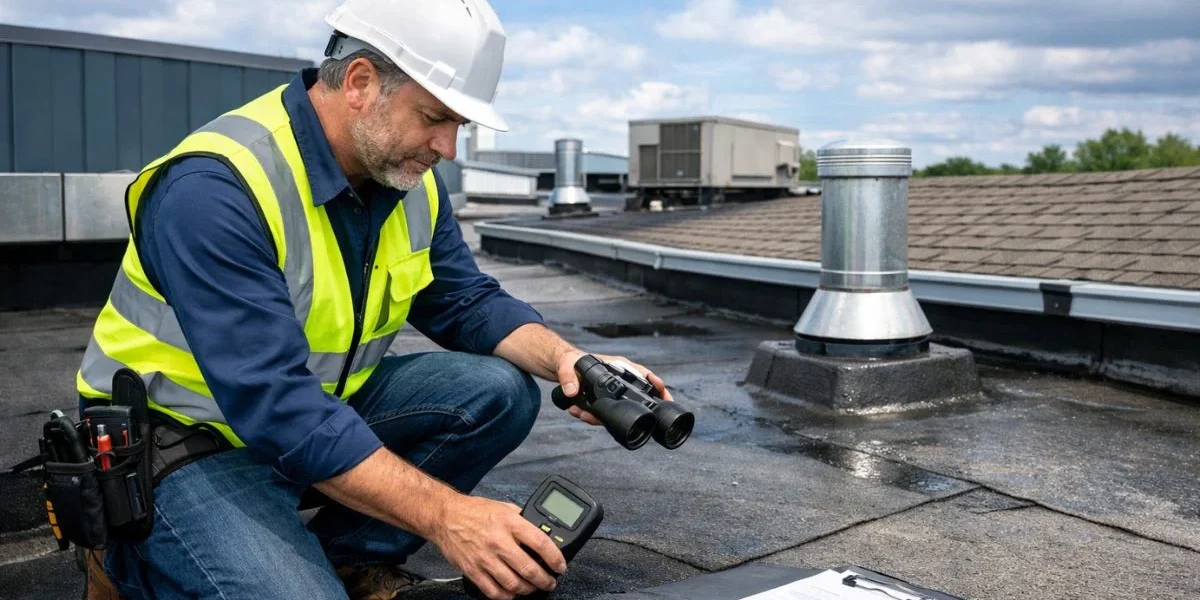
A commercial roof is a major asset for any business property. Regular inspections play an important role in protecting this investment and maintaining the safety of the building. Professional commercial roof inspectors evaluate the overall condition of the roofing system and help identify early signs of wear or damage. Early detection allows property owners to fix small problems before they turn into costly repairs. Routine inspections also help extend the life of the roof and support smooth business operations by reducing the risk of unexpected roof failures.
A professional roofing inspector commercial brings practical knowledge and experience when examining a roof. Their detailed inspection process helps uncover hidden problems that may not be visible to an untrained eye. Small issues such as loose materials, drainage blockages, or minor surface damage can slowly lead to water intrusion and interior damage if ignored. Regular inspections help address these concerns early and keep the roofing system strong and reliable.
Working with a licensed commercial roof inspector also supports compliance with building regulations and safety requirements. Certified inspectors understand current construction codes and roofing standards. They can properly evaluate different roofing systems including flat roofs, sloped roofs, and metal roofs. Their inspection helps confirm that the roof structure meets required standards and continues to provide dependable protection for the building and the people inside.
Why Hiring a Commercial Roof Inspector is Essential
Hiring a commercial roof inspector is an important step in protecting the structure of your building. A commercial roof shields the property from weather conditions and helps maintain proper insulation. If roofing problems remain unnoticed, they can lead to water intrusion, rising energy costs, and structural damage. A professional commercial roofing inspector carefully evaluates the roof system and identifies risks before they turn into serious issues.
One of the biggest benefits of working with a roofing inspector commercial is early problem detection. Roof damage often develops slowly and may not be visible to building owners. A trained inspector can recognize warning signs such as small leaks, membrane damage, or worn flashing. Identifying these issues at an early stage allows building owners to fix them quickly and avoid expensive repairs later. Regular inspections also support the long term performance of the roofing system.
A licensed commercial roof inspector also helps ensure that the roofing structure follows current safety standards and building codes. This is especially important for large commercial properties or buildings located in areas that experience heavy rain, wind, or extreme temperatures. With a licensed professional involved, property owners gain confidence that their roof is properly maintained and meets required regulations.
Key Components of a Commercial Roof Inspection
A commercial roof inspection involves a detailed evaluation of different parts of the roofing system. A commercial roofing inspector checks the roof surface, drainage system, flashing areas, and interior spaces connected to the roof. The roof surface is inspected for visible damage such as cracks, loose materials, worn sections, or damaged coverings. For flat roofs, the inspector also looks for water accumulation since standing water can weaken roofing materials and cause leaks.
The drainage system is another important area during the inspection process. Gutters and downspouts must allow water to move away from the roof efficiently. If these systems become blocked, water can collect on the roof surface and create serious damage over time. A roofing inspector commercial reviews the drainage pathways to make sure water flows correctly and does not remain on the roof.
Flashing areas are also examined carefully. Flashing seals the joints where the roof connects with walls, vents, or other structures. If flashing becomes damaged or loose, water can enter the building and affect interior areas. A commercial roof inspector also checks the interior ceiling or attic space for moisture marks, mold, or signs of deterioration. This complete inspection helps confirm that the roof system is working properly.
The Advantages of Hiring Experienced Commercial Roof Inspectors
Working with experienced commercial roofing inspectors provides strong protection for your property. These professionals have extensive knowledge of different roofing systems including flat roofs, metal roofs, and sloped designs. Their experience allows them to recognize both visible damage and hidden problems that could lead to future repairs. An experienced commercial roof inspector understands the areas where roofing problems often begin and examines those locations carefully.
Another benefit of hiring skilled inspectors is the accuracy of their evaluation. They can identify the root cause of roofing issues and recommend practical repair solutions. Their guidance helps property owners make informed decisions about maintenance and repairs. By addressing problems at the right time, building owners can avoid major expenses and keep the roof performing effectively for many years.
Experienced commercial roofing inspectors are also familiar with modern roofing materials and energy efficient roofing systems. They can provide helpful recommendations that support better insulation and lower utility costs for commercial buildings. In addition, their knowledge of local building regulations ensures that any repair or maintenance work follows proper standards. This gives property owners confidence that their roof system remains safe and reliable.
looking for punctures, cracks, or signs of deterioration. On metal roofs, the seams, panels, and fasteners are examined for rust, corrosion, or loose components. For pitched roofs, the main attention is on shingles, flashing, and ridge caps, checking for missing or damaged materials. Understanding these roof-specific risks allows inspectors to provide accurate assessments and practical maintenance recommendations.
What to Expect During a Commercial Roof Inspection
A commercial roof inspection follows a systematic process to evaluate the roof’s overall condition. It typically begins with an exterior visual inspection, where the roofing inspector commercial checks for damaged or missing materials, cracks, or worn areas. Flashings and joints are examined to ensure proper sealing and prevent leaks.
Following the exterior review, the inspector may assess interior spaces, including attics, ceilings, and walls, for signs of water infiltration, mold, or structural issues. Advanced tools such as moisture meters and infrared cameras may be used to detect hidden damage. The drainage system, including gutters and downspouts, is inspected to confirm water flows correctly without pooling. At the end of the inspection, the inspector provides a detailed report highlighting findings, recommended repairs, and future maintenance strategies.
Commercial Roof Inspections After Severe Weather Events
Severe weather, including storms, hail, and high winds, can damage commercial roofs significantly. After such events, a roofing inspector commercial should evaluate the roof promptly to identify any surface or structural damage. Wind can lift shingles or panels, while hail can create punctures or dents, especially on metal roofs.
Inspectors also review drainage systems to ensure no blockages cause water buildup, which can weaken roofing materials. Timely inspections after severe weather prevent further damage, support insurance claims, and help maintain the roof’s protective function. Local commercial roof inspectors are often the best choice for post-storm inspections because they understand regional weather risks and can respond quickly.
How a Commercial Roof Inspection Can Save You Money
Regular commercial roof inspections provide significant cost-saving benefits. Small issues, such as minor leaks, damaged flashing, or clogged gutters, can escalate into expensive problems if left unchecked. Early detection allows for prompt repairs, reducing the risk of water damage to the building’s interior and avoiding costly replacements.
Experienced commercial roofing inspectors also help property owners plan and budget for future maintenance. Understanding the current condition of the roof allows for efficient allocation of resources and prevents unexpected repair expenses. Routine inspections extend the roof’s lifespan and improve energy efficiency by confirming that insulation and ventilation systems function properly. Over time, these preventive measures can result in substantial financial savings while maintaining a safe and compliant roofing system.
Choosing the Right Commercial Roof Inspector for Your Property
Selecting the right commercial roof inspector is essential to ensure a thorough and reliable evaluation of your property. Start by looking for licensed inspectors who have completed proper certifications and training. A licensed commercial roof inspector understands roofing systems in detail and is familiar with local building codes and safety regulations. This expertise ensures that inspections are accurate and compliant with all requirements.
Experience with your specific roof type is another critical factor. Flat roofs, metal roofs, and sloped roofs each have unique challenges that require specialized knowledge. Experienced commercial roofing inspectors know what to look for in each system, identifying potential problems that could otherwise go unnoticed. Their familiarity with different materials and roof designs allows them to provide precise assessments and actionable recommendations.
Checking reviews and references from previous clients helps confirm the inspector’s reliability and quality of work. A local inspector with knowledge of regional weather conditions and common roofing issues can offer added value through faster response times and practical solutions tailored to your area. Choosing a qualified, experienced, and local commercial roof inspector ensures your roof receives professional care.
Conclusion
Regular commercial roof inspections are vital for protecting your property and extending the lifespan of your roofing system. Inspections help detect minor wear or more serious damage before they escalate into costly repairs. Hiring skilled commercial roofing inspectors ensures that potential issues are addressed promptly, keeping your roof in good condition and your building safe. Licensed inspectors provide detailed reports and guidance that support proper maintenance, compliance with regulations, and long-term performance. Making proactive roof inspections part of your maintenance plan safeguards your investment, prevents unexpected disruptions, and helps your business operate smoothly for years to come.
Frequently Asked Questions
What is a commercial roof inspection?
A commercial roof inspection is a thorough evaluation of the roofing system of a commercial building. A roof inspector commercial examines various components such as the roof surface, drainage system, flashing, and interior spaces to identify any signs of damage or wear.
Why do I need a licensed commercial roof inspector?
Hiring a licensed commercial roof inspector ensures that the inspection meets professional standards and local building codes. A licensed inspector has the necessary training and expertise to perform an accurate and compliant inspection.
How often should I schedule a commercial roof inspection?
It’s recommended to have a commercial roof inspector evaluate your roof at least once a year. Additionally, you should schedule an inspection after significant weather events, such as storms or heavy snowfalls, to ensure your roof remains intact.
What are the most common issues found during commercial roof inspections?
Common issues include leaks, clogged gutters, damaged shingles or flashing, poor drainage, and water pooling on flat roofs. Commercial roof inspectors are skilled at detecting these problems early, helping to prevent further damage.
How can a commercial roof inspection save me money?
By identifying minor issues early, a commercial roofing inspector can prevent them from turning into more significant, costly repairs. Regular inspections can also help extend the lifespan of your roof, delaying expensive replacements.
Can a roof inspection prevent leaks?
Yes, during a commercial roof inspection, a roofing inspector commercial checks for signs of damage, such as cracks or gaps in roofing materials, that could lead to leaks. Early detection can prevent leaks from becoming a bigger issue.
What should I expect during a commercial roof inspection?
A commercial roof inspector will conduct a visual inspection of the roof’s surface, drainage system, flashing, and interior spaces. They may use specialized tools like moisture meters or infrared cameras to detect hidden issues.
Are local commercial roof inspectors better?
Yes, local commercial roof inspectors are familiar with the specific climate conditions and roofing challenges in your area. Their local knowledge ensures they can provide accurate recommendations and timely services.
How long does a commercial roof inspection take?
The duration of a commercial roof inspection depends on the size and complexity of the roof. Typically, a roof inspection can take anywhere from one to three hours, but larger buildings may require additional time.
What happens if issues are found during a roof inspection?
If a commercial roof inspector identifies issues during the inspection, they will provide a detailed report outlining the damage and recommended repairs. The inspector may also suggest maintenance tips to prevent future problems and extend the life of the roof.


