
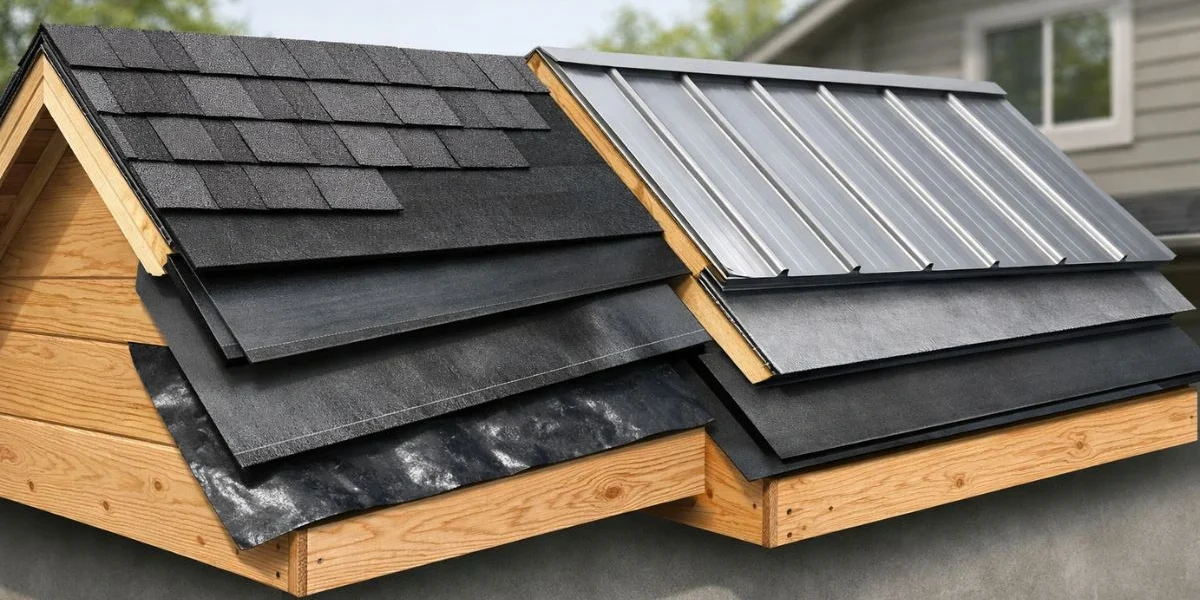
Roof underlayment serves as the essential base for a strong roofing system. Installed directly on the roof deck beneath shingles or metal panels, it acts as a protective layer that prevents water infiltration, controls moisture, and reinforces the entire roof structure.
This layer shields the roof deck from rain, snow, ice, and wind-driven moisture. Even if shingles or metal panels become damaged or loosen over time, the underlayment continues to safeguard the roof. For this reason, building codes mandate the use of roof underlayment on both residential and commercial properties.
It also enhances roof durability and overall performance. It manages condensation, minimizes the risk of leaks, and supports effective water drainage. Choosing the appropriate underlayment contributes to a longer roof lifespan and lowers future maintenance costs.
At G Keith Roofing & Water Proofing, every project includes careful selection of roofing underlayment suitable for the building. From traditional materials to modern synthetic options, selecting the right underlayment ensures reliable protection, cost-effective installation, and lasting results.
Understanding Roof Underlayment Basics
The essential hidden layer that supports every roofing system. Working together with shingles or metal panels, it manages moisture and enhances overall roof performance. Knowing the fundamentals of roof underlayment helps property owners select the right material and prevent costly damage over time.
What Is Roof Underlayment
Roof underlayment is a protective sheet installed directly on the roof deck beneath shingles or metal roofing. It acts as a moisture barrier, reducing water penetration and safeguarding the structure from leaks and deterioration.
Layer in a Roofing System
Positioned between the roof deck and the final roofing surface, the underlayment protects wood decking from rot, mold, and water damage. It also improves drainage and adds stability to the entire roof structure.
Why Roofing Underlayment Is Required
Roofing underlayment is essential because roofs are exposed to rain, snow, wind, and condensation. Even strong roofing materials can allow moisture to seep in under certain conditions. For this reason, building codes require proper underlayment installation to ensure the long-term durability and protection of the roof.
Roof Underlayment Purpose and Benefits
This plays an essential role in every roofing system. It enhances moisture control, strengthens resistance to weather, and supports the overall performance of the roof. Understanding its purpose helps homeowners and property managers safeguard their investment and prevent costly damage.
Primary Roof Underlayment Purpose
The main purpose of roof underlayment is to act as a barrier against water intrusion beneath shingles or metal panels. It provides secondary protection when rain or snow penetrates the outer roofing materials. This layer keeps the roof deck safe from leaks, rot, and structural damage.
Roof Underlayment Benefits for Homes
For homes, It improves moisture management and indoor protection. It lowers the risk of mold growth and water stains while supporting proper drainage. These benefits enhance the reliability and performance of the entire roofing system.
How Roof Underlayment Protects Roof Decks
Roof underlayment shields roof decks by forming a continuous moisture-resistant layer. It prevents water from seeping into wood surfaces, keeping the deck stable and dry even during heavy storms or rapid temperature changes.
Roof Underlayment Role in Roof Durability
Roof underlayment contributes to long-term durability by reducing wear from wind, rain, and thermal shifts. Correct installation strengthens the roof structure, extends its lifespan, and minimizes the need for frequent repairs.
Types of Roof Underlayment Materials
Roof underlayment comes in several material types, each designed for specific roof structures, climate conditions, and performance needs. Knowing the available options helps property owners choose the most suitable underlayment for durability, protection, and cost efficiency.
Asphalt Saturated Felt
Asphalt saturated felt is a traditional underlayment made from fibers coated with asphalt. It provides basic moisture resistance and temporary protection. Due to its affordability, many contractors continue to use felt underlayment for standard roofing projects.
Synthetic Overview
Synthetic underlayment is made from advanced polymers that offer increased strength and long-lasting durability. It resists tearing, remains lightweight, and manages moisture effectively. This type is ideal for areas exposed to high winds or extended weather exposure.
Rubberized Asphalt Underlayment
Rubberized asphalt underlayment provides strong waterproof protection and self-sealing around fasteners. It adheres closely to the roof deck, making it suitable for valleys, eaves, and other areas prone to leaks.
Peel and Stick
Peel and stick underlayment features a self-adhesive backing that attaches directly to the roof deck. It forms a reliable waterproof barrier and is commonly used for ice and water shield applications in regions with severe weather.
Asphalt Felt Underlayment
Asphalt felt remains a common choice for roofing underlayment due to its affordability and ease of installation. It provides basic moisture control and temporary protection for the roof deck. Understanding felt underlayment helps property owners determine when traditional options are suitable.
What Is Felt Underlayment
Felt underlayment is made from asphalt-saturated fibers and serves as a protective layer beneath shingles or other roofing materials. It offers short-term moisture resistance while supporting standard roofing systems.
Asphalt Felt Underlayment Thickness
The thickness of asphalt felt underlayment varies by product grade. Lighter and heavier felt rolls are available for different roof slopes and applications. Selecting the correct thickness ensures adequate durability and performance for each roofing project.
Traditional Roof Underlayment Uses
Felt underlayment is well-suited for straightforward residential roofing projects with limited exposure time. It performs effectively under mild weather conditions and allows faster installation, making it a preferred choice for many contractors.
Felt Underlayment Performance Limits
Felt underlayment has limitations under extreme weather. It may wrinkle when wet and can crack in freezing temperatures. Because of these constraints, property owners often compare asphalt felt with synthetic underlayment to choose the most reliable option.
Synthetic Roof Underlayment
Synthetic roof underlayment has become a preferred choice for modern roofing systems. It offers high strength, reliable moisture control, and resistance to prolonged exposure. Because of these advantages, many contractors recommend synthetic underlayment for both residential and commercial projects.
What Is Synthetic
Synthetic roof underlayment is constructed from woven or spun polymer materials and is installed over the roof deck beneath shingles or metal panels. It provides superior tear resistance and dependable water protection compared to traditional felt underlayment.
Benefits of Synthetic
Synthetic underlayment is lightweight, easy to handle, and enhances safety during installation. It resists tearing, remains stable in high winds, and allows faster installation. Selecting quality synthetic underlayment reduces common installation issues and improves overall roof performance.
Breathable Synthetic
Breathable synthetic underlayment permits controlled vapor movement while preventing liquid water penetration. This supports proper ventilation, reduces condensation, and contributes to healthier roofs and interiors.
High Temperature Synthetic
High temperature synthetic underlayment withstands intense heat and performs well under metal roofing or in sunny climates. It ensures long-lasting protection and helps maintain overall roof durability.
Rubberized Asphalt and Waterproof Membranes
Rubberized asphalt and other waterproof membranes provide advanced protection for high-risk areas. These materials bond securely to the roof deck and prevent water infiltration, making them essential for leak-prone zones.
What Is Rubberized Asphalt Underlayment
Rubberized asphalt underlayment is a self-sealing material made with modified asphalt. It adheres directly to the roof deck, sealing around fasteners to provide strong waterproof protection in critical areas.
Ice and Water Shield Underlayment
Ice and water shield underlayment protects roofs from ice dams and water backup. It is installed along eaves, valleys, and roof penetrations to prevent leaks caused by melting snow and trapped moisture.
Self Adhesive Roofing Membrane Uses
Self-adhesive membranes are used in valleys, around skylights, vents, and roof edges. They form a continuous moisture barrier without mechanical fasteners, reducing the risk of leaks where they often start.
Roof Waterproof Membrane Protection
Waterproof membranes strengthen the entire roofing underlayment system. They block water intrusion, manage condensation, and protect the roof deck. These membranes also enhance durability and minimize long-term repair needs.
Roof Underlayment for Shingle Roofing
Roof underlayment beneath shingles provides critical moisture control and supports long-term roof performance. Installed directly over the roof deck, it blocks water that penetrates the shingle layers and protects the underlying structure. Choosing the right underlayment enhances durability and reduces the risk of leaks.
Underlayment Beneath Roof Shingles
The layer beneath roof shingles acts as a buffer between the shingles and the roof deck. It manages water that slips past the shingle surface, preventing wood rot and structural damage while maintaining overall roof integrity.
Best Underlayment for Shingle Roof
Selecting the best underlayment for a shingle roof depends on climate, exposure, and project requirements. Synthetic underlayment is often preferred for strength and stability, while asphalt felt remains suitable for projects with shorter exposure periods.
Underlayment Compatibility With Shingles
Compatibility between underlayment and shingles ensures proper drainage and secure fastening. Matching the material to the type of shingles improves performance, extends lifespan, and aligns with building code requirements.
What Goes Under Roof Shingles
The essential component beneath shingles is the roof underlayment layer installed over the deck. This layer acts as a moisture barrier and backup protection, making it a vital part of any shingle roofing system.
Roof Underlayment for Metal Roofing
Underlayment for metal roofing provides moisture control and helps manage condensation caused by panel expansion and contraction. Proper installation protects the roof deck and enhances the overall performance of the metal roofing system.
Underlayment for Metal Roof Systems
Metal roof underlayment is installed directly on the roof deck beneath the panels. It functions as a moisture and thermal barrier, reducing leaks and minimizing condensation buildup that can damage the deck.
Best Underlayment for Metal Roof
Synthetic roofing membranes are often the preferred underlayment for metal roofs. High temperature synthetic options resist heat, remain stable, and provide waterproof protection, making them suitable for long-lasting metal roofing applications.
Metal Roofing Vapor Barrier Needs
Metal roofs require vapor barriers to control moisture movement. Without proper protection, condensation forms beneath panels, leading to mold and potential deck damage. Vapor barriers are essential to maintaining roof integrity.
Condensation Barrier for Metal Roof
Condensation barriers help reduce trapped moisture under metal panels by supporting airflow and controlling temperature-related condensation. Proper moisture barrier installation extends roof lifespan and prevents structural deterioration.
Roof Underlayment Waterproofing and Moisture Control
Roof underlayment plays a vital role in protecting roofing systems from hidden water damage. Moisture can enter through wind-driven rain or condensation. A reliable underlayment system manages water, prevents leaks, and supports long-term roof health.
Is Roof Underlayment Waterproof
The waterproof performance of roof underlayment depends on the material. Synthetic underlayment and rubberized asphalt provide strong waterproof protection. Felt underlayment offers limited resistance and is best suited for temporary protection.
Roof Moisture Barrier Function
Roof underlayment acts as a moisture barrier, blocking water while allowing controlled vapor movement. This balance reduces condensation, protects insulation, and preserves the integrity of the roof deck.
Roof Leak Protection Layer
Installed beneath shingles or metal panels, the roof underlayment functions as a backup leak protection layer. It catches water that bypasses outer roofing materials, preventing rot and structural damage.
Waterproof Roof Underlay Options
Waterproof underlayment options include synthetic roofing membranes and peel-and-stick products. These materials seal tightly to the roof deck, improve durability, and minimize long-term repair needs.
Roof Underlayment Installation Process
Correct installation affects roof performance and durability. Proper placement ensures moisture control, structural protection, and code compliance. Following recommended installation practices prevents leaks and reduces errors.
Installation Guide
Installation begins with a clean roof deck. Underlayment is applied from the eaves upward in horizontal courses, allowing water to shed correctly and protecting the underlayment layer.
Overlap Rules
Each underlayment course must overlap the previous layer according to manufacturer guidelines. Proper overlap prevents water entry at seams and reduces installation errors.
Installation Mistakes
Common mistakes include improper fastening, gaps, and wrinkles, which allow moisture intrusion. Correct installation ensures full roof protection and longevity.
Building Code Requirements
Building codes vary by region and roof type, specifying approved materials and installation methods. Professional installation ensures compliance and long-term safety.
Performance in Extreme Weather
Underlayment performance under wind, cold, snow, and ice determines a roof’s resilience. Choosing the right material improves durability and protects the structure under harsh conditions.
High Wind Areas
For regions with high winds, underlayment must resist tearing and uplift. Lightweight synthetic underlayment stays secure during storms, reducing roof damage.
Cold Climates
Underlayment for cold climates must remain flexible at low temperatures. Synthetic materials resist cracking, preventing moisture infiltration during freeze cycles.
Snow and Ice
Ice and water shield underlayment protects roofs from water backup caused by melting snow. It seals tightly along eaves and valleys, enhancing leak protection in winter conditions.
Underlayment for Long Lasting Roofs
High-quality underlayment supports durability and consistent moisture control. Selecting the right materials reduces wear over time and extends the roof’s lifespan.
Cost and Pricing Factors
The cost of roof underlayment depends on material choice, roof design, and installation requirements. Prices differ between felt, synthetic, and waterproof underlayment options. Understanding these factors helps property owners select cost-effective solutions without compromising performance.
Cost Breakdown
Roof underlayment costs include the material, labor, and installation complexity. Felt underlayment usually has a lower initial price, while synthetic underlayment may reduce long-term maintenance expenses due to higher durability and moisture resistance.
Cost Factors
Factors that affect roofing underlayment cost include roof slope, climate conditions, building codes, and the expected lifespan of the material. Stronger, longer-lasting underlayment typically comes at a higher price but provides better long-term value.
Synthetic Price Comparison
Synthetic underlayment generally costs more upfront than traditional felt. However, it offers superior tear resistance, moisture control, and durability, often making it a better investment for homes and commercial properties exposed to harsh weather.
Price vs Performance
Evaluating price versus performance highlights the value of higher-quality underlayment. Durable materials reduce leaks, repairs, and maintenance needs, providing better long-term protection and improving overall roof performance.
Comparison Guide
A roof underlayment comparison guide helps property owners assess materials based on cost, durability, and moisture protection. Understanding how different underlayments perform under various conditions supports smarter roofing decisions.
Felt vs Synthetic Underlayment
Comparing felt and synthetic underlayment shows clear differences. Felt is affordable and suitable for short-term exposure projects. Synthetic underlayment provides stronger tear resistance, better moisture control, and longer lifespan.
Best Materials
The best material depends on climate, roof type, and performance needs. Synthetic underlayment is ideal for extreme weather, while felt underlayment is suitable for simple installations with limited exposure.
Which Roof Underlayment Is Best
Choosing the best roof underlayment depends on both budget and performance needs. Synthetic underlayment provides enhanced strength and longer service life, making it a preferred choice for many property owners.
Comparison Chart
A comparison chart can clearly highlight differences in cost, water resistance, and durability. Evaluating roofing underlayment options side by side simplifies selection and ensures the most suitable choice for the project.
Lifespan and Durability
The lifespan and durability of underlayment depend on material quality and installation practices. High-quality underlayment protects the roof deck for many years, reducing maintenance and improving overall reliability.
How Long Does Roof Underlayment Last
The longevity of roof underlayment varies by type. Felt lasts for shorter periods, while synthetic underlayment and waterproof membranes provide extended protection and improved durability.
Underlayment Performance Benefits Over Time
Durable underlayment maintains consistent moisture protection, reduces damage, and improves roof stability over time. This minimizes repair needs and supports long-term roof performance.
Tear Resistant Roofing Underlayment
Tear-resistant underlayment resists damage during installation and from high winds. Synthetic materials excel in these conditions, enhancing roof safety and structural protection.
Moisture Resistant Roof Underlayment
Moisture-resistant underlayment prevents water absorption, condensation, and deck deterioration. Reliable moisture protection ensures consistent performance and prolongs the life of the roof system.
Frequently Asked Questions
Do You Need Underlayment for Metal Roof
Yes, you need underlayment for metal roof systems. Metal panels allow condensation and water movement. Therefore, metal roofing underlayment acts as a moisture barrier and protects the roof deck from damage.
Is Synthetic Roof Underlayment Better
Synthetic roof underlayment is better for durability and moisture resistance. It resists tearing and handles long exposure. As a result, many contractors prefer synthetic roofing underlayment over felt options.
What Type of Underlayment for Metal Roof
What type of underlayment for metal roof depends on climate and heat exposure. High temperature synthetic underlayment works best. Therefore, waterproof underlayment for metal roof improves performance.
What Is Roof Underlayment
Roof underlayment is a protective layer installed over the roof deck. It sits beneath shingles or metal panels. As a result, roofing underlayment blocks moisture and supports the roof system.
Is Roof Underlayment Waterproof
Some roof underlayment materials are waterproof. Synthetic roofing membrane and rubberized asphalt underlayment provide strong water resistance. However, felt underlayment offers limited protection.
What Goes Under Roof Shingles
What goes under roof shingles includes roofing underlayment material. This layer protects the deck and manages moisture. Therefore, underlayment beneath shingles remains essential.
How Much Does Roof Underlayment Cost
Roof underlayment cost varies by material and installation method. Felt underlayment costs less upfront. However, synthetic underlayment price reflects better durability and lifespan.
How Long Does Roof Underlayment Last
Roof underlayment lifespan depends on material type. Felt underlayment lasts shorter periods. In contrast, synthetic roof underlayment lasts longer with proper installation.
What Is the Best Roof Underlayment
The best roof underlayment depends on roof type and weather exposure. Synthetic roof underlayment works well in most climates. Therefore, it often ranks as the best roof underlayment.
Do You Need Underlayment for Shingle Roof
Yes, you need underlayment for shingle roof systems. It acts as a backup moisture barrier. As a result, roof shingle underlayment prevents leaks and deck damage.
Is Roof Underlayment Required by Code
Roof underlayment is required by building codes in most areas. Codes specify approved roofing underlayment materials. Therefore, compliance ensures safety and durability.
Can Roof Underlayment Be Left Exposed
Roof underlayment can remain exposed for limited time. Synthetic roofing underlayment handles exposure better. However, prolonged exposure reduces performance.