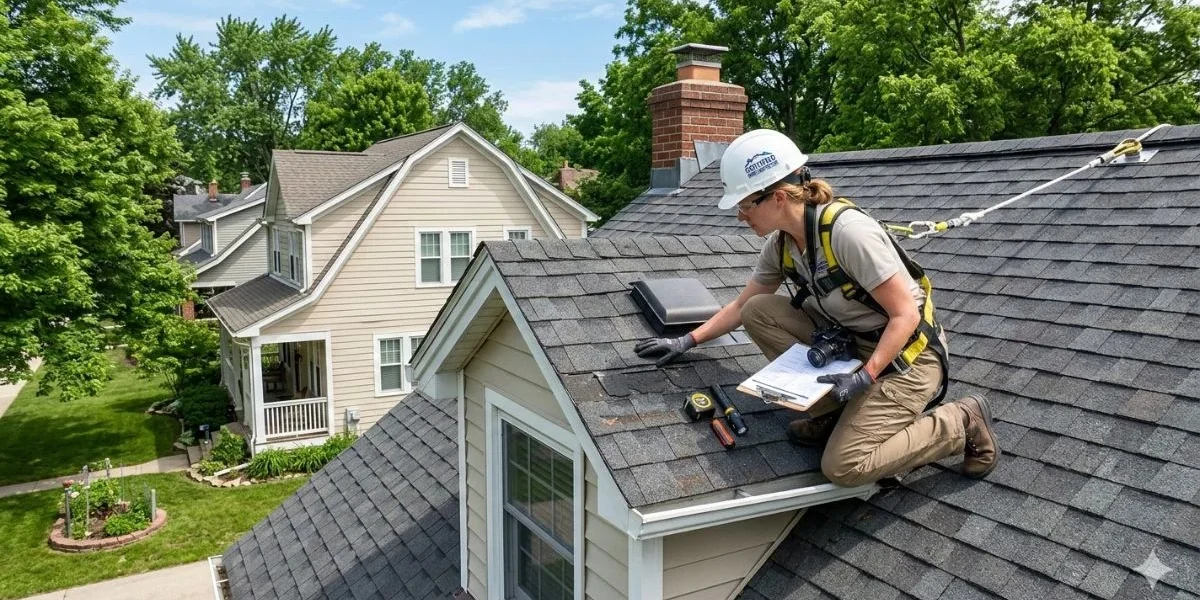
A roof inspection is a crucial part of maintaining the longevity and safety of your property. Whether you’re a homeowner or a business owner, hiring a certified and licensed roof inspector ensures your roof is in top condition. Roof inspectors play an essential role in assessing the state of your roof, identifying potential issues, and recommending necessary repairs or replacements. In this blog, we will explore the significance of certified and licensed roof inspectors, their roles, and why you should consider hiring one for your next roof inspection.
What Is a Certified Roof Inspector?
A certified roof inspector is an expert who has completed a recognized training program in roof inspection. These inspectors are well-versed in various roofing systems, materials, and installation methods. Certification ensures that the inspector has met the necessary standards set by professional roofing organizations. They typically undergo exams and practical training to gain the certification, proving their competency in evaluating a roof’s condition.
Certified roof inspectors are equipped with in-depth knowledge of common roofing issues, such as leaks, wear and tear, and structural integrity. They assess the roof’s overall health and provide recommendations for repairs or replacements based on their findings. This ensures that your roof is safe, functional, and in line with industry standards.
In addition to their technical knowledge, certified roof inspectors are also skilled in producing detailed reports. These reports outline the condition of your roof, any areas of concern, and suggested actions. Whether for routine maintenance or in preparation for a sale, a certified roof inspector can provide valuable insights to help you make informed decisions about your property’s roof.
The Importance of Hiring a Certified Roof Inspector
Hiring a certified roofing inspector is essential for homeowners and business owners alike. Certified roof inspectors have the expertise and training needed to identify issues that may not be immediately apparent. While a casual visual inspection might seem sufficient, it often misses underlying problems that could worsen over time. A professional inspection ensures that every aspect of your roof is checked thoroughly.
One of the primary reasons to hire a certified roof inspector is their ability to spot potential problems early. They can identify things like roof sagging, moisture buildup, and deteriorating materials. Detecting these issues early can help prevent costly repairs down the line. By addressing problems before they escalate, you save time and money in the long run.
Additionally, certified roof inspectors adhere to industry standards, ensuring that their evaluations are accurate and consistent. Whether it’s for a residential roof or a commercial property, these inspectors provide objective assessments based on their training and experience. This impartiality is essential for giving you a clear understanding of your roof’s condition, allowing you to make decisions with confidence.
What Does a Licensed Roof Inspector Do?
A licensed roof inspector holds a valid license issued by the relevant local or state authority, which signifies that they have met the legal requirements to perform roof inspections. Unlike certified inspectors, licensed inspectors are legally authorized to carry out inspections in their jurisdiction. Their role is similar to that of a certified inspector, but their licensing also ensures compliance with local building codes and regulations.
Licensed roof inspectors are trained to evaluate roofs from both a technical and legal standpoint. They assess the roof’s condition while ensuring that it adheres to local codes, zoning laws, and safety standards. This is especially important for properties that are involved in real estate transactions or require legal documentation of their condition.
A licensed roofing inspector also helps ensure that the roofing materials and installation methods are up to code. For commercial properties, the inspector checks for compliance with OSHA and other industry-specific regulations. For residential properties, they ensure that the roof meets all relevant residential building codes. With their specialized knowledge, licensed inspectors are equipped to identify compliance issues that could lead to future legal or financial problems.
Differences Between Certified and Licensed Roof Inspectors
When looking for a roof inspector, it’s important to understand the difference between a certified and a licensed roof inspector. While both types of inspectors evaluate roof conditions, their qualifications, responsibilities, and the scope of their work can vary.
A certified roof inspector has completed an accredited training program and passed exams to demonstrate their expertise in roof inspection. Certification is typically provided by professional organizations such as the National Roof Certification Program (NRCP). Certified inspectors possess a broad understanding of roofing systems, materials, and maintenance techniques, making them highly qualified to perform detailed inspections. However, their authority to inspect may be limited by geographical boundaries or the nature of the property being inspected.
In contrast, a licensed roofing inspector has met the legal requirements to carry out roof inspections within a specific region. Licensing ensures that the inspector is authorized by local or state authorities to assess properties according to building codes and regulations. While certified inspectors may have extensive knowledge, licensed inspectors are legally obligated to follow all relevant codes, ensuring that inspections are compliant with local laws. This makes licensed inspectors particularly crucial for commercial properties or situations requiring legal documentation.
Both types of inspectors bring valuable skills to the table, but understanding their differences can help you choose the right professional for your needs.
Why Independent Roof Inspectors Are Essential
An independent roof inspector offers significant advantages over inspectors who work for roofing companies. The primary benefit is impartiality—independent inspectors have no financial incentive to recommend repairs or replacements. This makes their evaluations more objective and trustworthy, giving you a clear picture of your roof’s condition without any conflict of interest.
Independent roof inspectors are particularly useful when you need an honest assessment, free from the pressures of a roofing company trying to sell additional services. Whether you’re looking for a second opinion or a routine check-up, an independent inspector can offer unbiased recommendations based solely on the roof’s condition.
Additionally, independent inspectors often have extensive experience and knowledge gained from inspecting various roofs. They may work with multiple roofing companies, allowing them to be exposed to different systems and solutions. This diverse experience makes them well-suited to assess a wide range of roofing issues, from residential homes to large commercial buildings.
Key Benefits of Hiring a Certified Roofing Inspector
Hiring a certified roofing inspector offers several key benefits that can save you time, money, and stress in the long term. One of the biggest advantages is the peace of mind that comes with knowing your roof is in good hands. Certified inspectors undergo extensive training, ensuring they have the skills and knowledge needed to assess every aspect of your roof’s condition.
Certified roof inspectors can also spot hidden problems that an untrained eye might miss. From subtle signs of water damage to minor issues that could develop into major leaks, they are trained to detect problems early. Identifying these issues early means you can make necessary repairs before they cause significant damage, potentially saving you thousands of dollars.
Moreover, hiring a certified roofing inspector helps ensure that your roof complies with industry standards. This is crucial if you’re preparing to sell your home or property. Buyers are more likely to trust a property with a thorough inspection from a certified professional, which can ultimately help you get a better price for your property.
How a Licensed Roofing Inspector Ensures Compliance
A licensed roofing inspector is an expert in local building codes and regulations, ensuring that your roof inspection meets all necessary legal standards. Roofs must adhere to specific codes, which vary by region, to ensure safety and durability. A licensed inspector ensures your roof complies with these codes, providing you with the confidence that your roof is up to legal and safety standards.
Licensed roof inspectors also assess whether your roof is structurally sound and capable of withstanding local weather conditions. They evaluate the materials used, the installation process, and any potential hazards. For commercial properties, this includes ensuring that the roof meets safety regulations that protect both the building and the people inside. These inspectors play a crucial role in avoiding legal problems and ensuring your property’s roof is safe and secure.
Furthermore, a licensed roofing inspector can issue official reports that are recognized by local authorities. This can be important for insurance purposes, legal documentation, or when dealing with a potential sale or transfer of ownership.
The Role of a Roof Inspector in Commercial Properties
For commercial properties, a licensed commercial roof inspector plays a crucial role in maintaining the building’s integrity and safety. Commercial roofs are typically larger and more complex than residential roofs, requiring specialized knowledge and experience. A licensed commercial roof inspector is trained to evaluate these roofs, ensuring that they comply with local building codes and safety regulations.
Commercial roof inspections typically involve more thorough assessments due to the larger scale and the potential risks involved. The inspector will examine the roof’s structure, drainage systems, and materials used, checking for signs of wear and tear, water damage, or potential hazards. They also consider factors such as the roof’s ability to withstand environmental conditions like heavy snow, rain, or wind.
In addition to structural assessments, commercial roof inspectors may also check for compliance with safety regulations and codes specific to businesses. This ensures that the roof meets the necessary standards for both safety and performance, preventing potential legal or financial issues.
The Role of a Roof Inspector in Residential Properties
A licensed roofing inspector (residential) is essential for homeowners who want to ensure their roofs are in optimal condition. Residential roofs protect families and belongings, making it crucial to maintain them properly. A licensed roof inspector provides an in-depth evaluation of your roof, identifying any potential issues that could pose a threat to the home’s safety or value.
In a typical residential roof inspection, the inspector examines both the interior and exterior of the roof. They check for signs of leaks, damage, and structural issues. Roof materials such as shingles, tiles, and membranes are inspected for wear and tear. They also ensure that gutters and drainage systems are functioning properly to prevent water damage. By hiring a licensed roof inspector, homeowners can identify small issues before they become costly repairs.
For homeowners selling their property, a licensed roof inspection adds value to the transaction. It provides transparency and reassures potential buyers that the home is well-maintained. A thorough inspection report from a licensed inspector can be a powerful selling point.
The Roof Inspection Process: What to Expect
The roof inspection process begins with a thorough evaluation of both the interior and exterior of the roof. A certified or licensed roof inspector will begin by assessing the overall structure, checking for any signs of damage or wear. They will examine the roofing materials, including shingles, tiles, and any membranes, to identify any potential issues. The inspector may also look for signs of moisture damage, as well as issues with flashing, gutters, and chimneys.
During the inspection, the inspector will often take photographs and measurements to document their findings. After the inspection is complete, they will compile a detailed report outlining any areas of concern, including the roof’s overall condition and recommendations for repairs or maintenance. For more complex roofs, such as commercial buildings, the inspector may take additional steps, such as checking for compliance with building codes.
The roof inspection process is crucial for ensuring your roof’s longevity and functionality. By addressing any issues early, you can extend the life of your roof and avoid expensive repairs in the future.
How Often Should You Have Your Roof Inspected?
It’s recommended to have your roof inspected at least once a year to maintain its condition. Annual inspections are crucial for spotting early signs of damage, such as leaks or wear on roofing materials. This is especially important for homes located in areas with extreme weather conditions, such as heavy rain, snow, or high winds. A certified roof inspector can provide a thorough inspection and help identify issues before they escalate into more significant problems.
For commercial properties, more frequent inspections may be necessary due to the size and complexity of the roof. Businesses that experience frequent foot traffic on the roof or those located in areas with harsh weather should schedule inspections every six months to ensure the roof remains in optimal condition.
Additionally, after significant weather events like storms, hail, or heavy snow, it’s a good idea to schedule an inspection to assess any damage caused. Regular inspections are key to maintaining the safety and integrity of your roof.
Finding a Qualified Roof Inspector Near You
Finding a qualified roof inspector is crucial for ensuring the best results for your inspection. Start by checking whether the inspector is certified or licensed in your area. You can look for inspectors who are members of professional organizations such as the National Roofing Contractors Association (NRCA) or the Roof Certification Institute (RCI).
Check online reviews and ask for references from previous clients to gauge the inspector’s reputation. Also, make sure the inspector is familiar with the type of roof you have, whether it’s a flat roof, a sloped roof, or a commercial roofing system. By hiring a professional who has experience with your specific type of roof, you ensure a more accurate and thorough inspection.
Conclusion
In conclusion, whether you are a homeowner or a business owner, hiring a certified roof inspector or a licensed roofing inspector is crucial to maintaining the health and longevity of your roof. These professionals bring invaluable expertise, ensuring that your roof is thoroughly inspected and compliant with necessary codes and regulations. Whether it’s for residential or commercial properties, regular roof inspections can save you time, money, and potential headaches by identifying problems early. Don’t wait for leaks or damages to escalate—schedule an inspection today to ensure the safety and integrity of your property.
Frequently Asked Questions
What is the difference between a certified and licensed roof inspector?
A certified roof inspector has completed specialized training and passed exams, while a licensed roof inspector is authorized by local or state authorities to perform inspections in compliance with legal standards.
How do I find a qualified roof inspector?
Look for a certified or licensed roof inspector with good reviews and ask for references. Ensure they have experience with the type of roof you own and are familiar with local regulations.
How often should I get my roof inspected?
It’s recommended to have your roof inspected at least once a year. After severe weather or major storms, it’s a good idea to schedule a post-storm inspection to check for damage.
What should I expect during a roof inspection?
A roof inspector will check both the interior and exterior of your roof, assess roofing materials, examine drainage systems, and ensure there are no signs of leaks or damage. They will also provide a detailed report with recommendations.
Do I need a roof inspector for a new house?
Yes, even if your home is new, a roof inspector can check for issues with the installation or materials, ensuring everything is done correctly and that no issues were overlooked.
Can I inspect my roof myself?
While you can perform a basic visual inspection, hiring a certified roof inspector ensures a thorough and professional assessment. Inspectors have the expertise and tools to spot issues that might not be visible to the untrained eye.
How much does a roof inspection cost?
The cost of a roof inspection can vary depending on the size of the roof, the complexity of the inspection, and your location. On average, it can range from $150 to $400, but it’s a worthwhile investment to protect your property.
Why is it important to hire an independent roof inspector?
An independent roof inspector offers unbiased assessments, without any pressure to recommend repairs or services from a roofing company. This ensures an honest evaluation of your roof’s condition.
What happens if issues are found during a roof inspection?
If issues are identified, the inspector will provide a report outlining the necessary repairs or maintenance. Early identification of issues can help prevent more extensive damage and costly repairs in the future.
Can a licensed roof inspector help with insurance claims?
Yes, a licensed roof inspector can provide a detailed inspection report, which may be required by your insurance company when making claims related to roof damage. This documentation helps support your claim for repairs or replacement.