
Choosing the right roof is not always simple. Homeowners have to compare materials, styles, colors, installation methods, long-term maintenance, and price. A roof is not just another exterior feature. It protects the structure, affects energy use, changes curb appeal, and can influence future repair costs.
That is why metal roofing has become a popular choice for homeowners who want durability, style, and long-term value in one roofing system. A properly installed metal roof can last for decades, resist harsh weather, reduce maintenance needs, and give a home a clean, modern appearance.
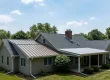
Metal roofing also offers more design flexibility than many people expect. Homeowners can choose standing seam metal roofs, corrugated panels, metal shingles, stone-coated steel, aluminum, copper, and many color options. Some metal roofs look sleek and modern, while others mimic traditional shingles or shake-style roofing.
This guide explains metal roofing cost, styles, benefits, installation, repair, maintenance, and how to choose the right roofing professional for your home.
Why Homeowners Choose Metal Roofing
Metal roofing has moved from a specialty option to a mainstream roofing choice. Many homeowners choose it because they want a roof that lasts longer than standard shingles and performs better in tough weather.
A metal roof can provide:
- Long service life
- Strong weather resistance
- Low maintenance
- Modern curb appeal
- Fire resistance
- Energy efficiency benefits
- Recyclable material value
- Better long-term cost control
According to the Metal Roofing Alliance, reflective metal roof coatings can reduce heat gain by reflecting solar radiation, which may help lower cooling demand in warm conditions. ENERGY STAR also lists metal as one of the cool roof material options when it has high solar reflectance.
Inspiring Metal Roof Designs for Modern Homes
Metal roofs are not limited to commercial buildings or barns anymore. Today, they work well on modern homes, farmhouses, coastal properties, cabins, traditional houses, and even luxury residential projects.
The design impact depends on three main choices:
- Panel profile
- Roof color
- Trim and flashing detail
A standing seam roof creates clean vertical lines. A corrugated metal roof gives a textured, rustic look. Metal shingles provide a traditional roof shape with stronger long-term performance than standard asphalt shingles.
For modern homes, standing seam metal roofing is often the preferred option because the raised seams create a neat, structured appearance. GAF describes standing seam roofs as mechanically attached metal panels with raised seams, allowing expansion and contraction while keeping fasteners hidden from the exterior surface.
Popular Metal Roof Colors
Color affects more than appearance. It can influence heat absorption, neighborhood fit, and how visible dirt or fading may become over time.
Common metal roof colors include:
| Color | Best For | Design Effect |
|---|---|---|
| Black | Modern homes, white siding, brick homes | Bold and sharp |
| Charcoal gray | Contemporary and classic homes | Clean and balanced |
| Bronze | Stone, tan siding, rustic homes | Warm and natural |
| White or light gray | Hot climates, modern homes | Bright and reflective |
| Forest green | Cabins and natural settings | Traditional and earthy |
| Copper | Accent roofs and premium homes | Luxury and character |
A black metal roof is popular because it gives a home strong contrast and a premium look. However, darker colors absorb more heat, so attic ventilation and insulation become important.
Light-colored or reflective metal roofing may help reduce roof surface temperature. The U.S. Department of Energy explains that cool roofs reflect more sunlight and absorb less solar energy than conventional roofs.
Types of Metal Roofing
Metal roofing comes in several systems. Each has its own look, cost, installation method, and maintenance needs.
Standing Seam Metal Roof
Standing seam metal roofing is one of the most popular premium choices. It uses long vertical panels with raised seams. Many systems use concealed fasteners, which means fewer exposed screw points.
Best for:
- Modern homes
- Premium residential projects
- Long-term roofing upgrades
- Homes needing strong water-shedding performance
Pros:
- Clean appearance
- Hidden fasteners
- Strong weather performance
- Long lifespan
- Lower maintenance than exposed-fastener systems
Cons:
- Higher upfront cost
- Requires skilled installation
- Not ideal for every roof shape
Corrugated Metal Roofing
Corrugated metal roofing has a repeating wave pattern. It is often used on porches, garages, cabins, barns, farmhouse-style homes, and budget-conscious projects.
Pros:
- More affordable than standing seam
- Strong visual texture
- Good for simple roof shapes
- Lightweight
Cons:
- Exposed fasteners require maintenance
- Screw washers can age over time
- Appearance may not fit every home style
Metal Shingle Roofing
Metal shingles are designed to look like traditional shingles, slate, shake, or tile. They are a good option for homeowners who want metal performance without a modern panel look.
Pros:
- Traditional appearance
- Durable metal construction
- Works well on classic home styles
- Can fit neighborhoods with conservative design rules
Cons:
- More joints than long panels
- Installation details matter
- Cost varies by product quality
Stone-Coated Steel Roofing
Stone-coated steel combines a metal core with a textured stone surface. It can mimic shingles, tile, or shake roofing.
Pros:
- Traditional appearance
- Reduced glare
- Strong impact resistance
- Good curb appeal
Cons:
- More specialized installation
- Matching repairs may require care
- Product quality varies
Copper and Aluminum Roofing
Copper and aluminum are premium metal roofing materials. Copper develops a natural patina over time. Aluminum is lightweight and corrosion-resistant, making it useful in coastal or high-moisture environments.
Pros:
- Premium appearance
- Long lifespan
- Strong corrosion resistance
- Great for accent roofs
Cons:
- Higher cost
- Requires expert installation
- May have longer material lead times
Metal Roofing Cost
Metal roofing cost depends on roof size, material, style, labor, roof complexity, and location. A simple corrugated metal roof will usually cost less than a standing seam metal roof.
Fixr’s 2026 cost data lists corrugated metal around $3.50 to $26 per square foot, metal shingles around $6 to $22 per square foot, and standing seam around $7 to $30 per square foot.
This Old House reports that metal roofing for a 2,000-square-foot home can cost significantly more than asphalt shingles, with metal roofing often chosen for its longer service life and lower maintenance needs.
Main Cost Factors
| Cost Factor | Why It Matters |
|---|---|
| Roof size | Larger roofs require more panels and labor |
| Roof pitch | Steeper roofs require more safety setup |
| Roof complexity | Valleys, dormers, chimneys, and skylights add labor |
| Material type | Steel, aluminum, copper, and zinc vary in price |
| Panel style | Standing seam usually costs more than corrugated |
| Tear-off | Removing old roofing adds labor and disposal cost |
| Deck repairs | Damaged decking must be fixed before installation |
| Flashing | Chimneys, skylights, and walls require detailed work |
| Fasteners | Quality screws and clips protect long-term performance |
| Coating quality | Better finishes resist fading and chalking |
Metal Roof vs Shingles
Many homeowners compare metal roof vs shingles before making a decision.
| Feature | Metal Roof | Asphalt Shingles |
|---|---|---|
| Upfront cost | Higher | Lower |
| Lifespan | Often longer | Shorter |
| Maintenance | Lower | Moderate |
| Style options | Modern and traditional | Traditional |
| Fire resistance | Strong | Varies by product |
| Energy efficiency | Strong with reflective coatings | Limited |
| Repair complexity | Requires skilled roofer | Easier to patch |
| Long-term value | Strong | Budget-friendly upfront |
Shingles are usually cheaper at the beginning. Metal roofing costs more upfront but may offer stronger long-term value because of durability, lifespan, and reduced maintenance.
Metal Roof Installation Process
A metal roof must be installed as a complete system. Panels alone do not protect a home. Underlayment, flashing, ventilation, trim, fasteners, and roof deck condition all matter.
Step 1: Roof Inspection
The contractor checks:
- Roof slope
- Roof size
- Existing roof condition
- Decking condition
- Ventilation
- Chimneys
- Skylights
- Valleys
- Gutters
- Flashing
- Signs of leaks
This step helps determine whether the roof needs full replacement, partial repair, or overlay installation.
Step 2: Material Selection
The homeowner chooses:
- Panel type
- Metal type
- Roof color
- Finish
- Trim style
- Fastener system
- Ridge vent options
- Snow guards if needed
A good contractor explains the difference between standing seam, corrugated, and metal shingles instead of pushing one option for every home.
Step 3: Roof Preparation
Old roofing may need to be removed. The deck is inspected and repaired if needed. Underlayment is installed as a secondary moisture barrier.
This step is important because installing metal over weak decking can lead to movement, noise, leaks, and poor panel alignment.
Step 4: Panel Installation
Panels are installed according to manufacturer guidelines. Standing seam panels require careful alignment. Corrugated panels require proper screw placement and correct torque.
Over-tightened screws can damage washers. Under-tightened screws can allow water entry.
Step 5: Flashing and Trim
Flashing is installed around:
- Chimneys
- Skylights
- Valleys
- Vents
- Walls
- Ridges
- Eaves
- Roof edges
Most roof leaks happen at transitions, not in the middle of panels. That is why flashing quality is one of the most important parts of metal roof installation.
Step 6: Final Inspection
The contractor should check:
- Fastener placement
- Panel alignment
- Seam quality
- Flashing details
- Ridge caps
- Sealant points
- Gutters and drainage
- Cleanup
- Warranty paperwork
Common Metal Roofing Problems
Metal roofs are durable, but problems can happen when installation is poor or maintenance is ignored.
Leaks Around Flashing
Leaks often happen around chimneys, skylights, vents, and wall transitions. The problem is usually not the panel itself but the flashing detail.
Loose Screws
Exposed-fastener metal roofs can develop loose screws over time because of thermal movement, wind vibration, or incorrect installation.
Rust and Corrosion
Rust can occur if coatings are damaged, incompatible metals touch, or debris traps moisture.
Oil Canning
Oil canning is the wavy appearance sometimes seen in flat metal panels. It is often cosmetic, but it can bother homeowners who expect a perfectly flat surface.
Condensation
Poor attic ventilation can cause condensation under the roof system. This may lead to damp insulation, mold concerns, and wood damage.
Metal Roof Repair
Metal roof repair depends on the cause of the problem. A contractor should inspect the full system before recommending a repair.
Common metal roof repairs include:
- Replacing loose screws
- Resealing flashing
- Repairing panel punctures
- Replacing damaged panels
- Fixing ridge caps
- Correcting poor trim details
- Cleaning drainage areas
- Applying compatible sealant
- Adding or repairing roof coating
Small issues should be fixed early. Waiting too long can allow water to damage decking, insulation, ceilings, and walls.
Metal Roof Coating and Sealant
Metal roof sealant and metal roof coating are not the same.
Sealant is used for small areas such as:
- Flashing joints
- Fastener points
- Penetrations
- Trim gaps
- Small seams
Roof coating is used for broader surface protection. It may help extend roof life, improve reflectivity, or protect an aging roof surface.
However, coating is not a solution for every roof. If the roof has trapped moisture, failed flashing, or structural damage, coating over the problem will not fix it.
Residential Metal Roofing Applications
Metal roofing works well for many home styles.
Modern Homes
Standing seam panels create sharp lines and a clean appearance.
Farmhouse Homes
Corrugated metal or matte standing seam panels can support a rustic but polished look.
Traditional Homes
Metal shingles help preserve a classic appearance while improving durability.
Coastal Homes
Aluminum roofing may be useful because of corrosion resistance.
Storm-Prone Areas
Properly installed metal roofs can perform well in wind and heavy rain, especially when fasteners, seams, and flashing are designed correctly.
Commercial Metal Roofing
Metal roofing is also common for commercial properties because it provides durability, large-area coverage, and predictable maintenance.
Commercial metal roofing is often used for:
- Warehouses
- Retail buildings
- Schools
- Municipal buildings
- Industrial facilities
- Religious buildings
- Mixed-use properties
Commercial projects require careful planning because rooftops may include HVAC units, vents, drains, access paths, and safety requirements.
How to Choose a Metal Roofing Contractor
The installer matters as much as the roofing material. A poor installation can cause leaks even when premium panels are used.
Look for a contractor who provides:
- Written estimates
- Proof of insurance
- Metal roofing experience
- Photos of past projects
- Clear warranty details
- Material specifications
- Flashing plan
- Ventilation recommendations
- Cleanup process
- Honest repair vs replacement advice
Ask these questions:
- Which metal roofing system do you recommend and why?
- Will you remove the old roof or install over it?
- What underlayment will be used?
- How will chimneys and skylights be flashed?
- What type of screws or clips will be used?
- What warranty comes with the material?
- What warranty comes with labor?
- How will ventilation be handled?
- What happens if damaged decking is found?
- Do you provide final inspection photos?
Why Choose G Keith Roofing & Water Proofing
G Keith Roofing & Water Proofing helps homeowners and property owners make informed roofing decisions. The company can evaluate roof condition, explain material choices, and recommend practical solutions for metal roof installation, repair, or replacement.
A strong roofing project is not only about panels. It includes inspection, planning, underlayment, flashing, ventilation, fastening, trim, and final quality control.
Homeowners can learn more at 5boroughroofingrepair.com.
Practical Maintenance Tips for Metal Roofs
Metal roofs are low maintenance, not no maintenance.
Follow these simple steps:
- Keep gutters clear
- Remove leaves and debris
- Check valleys after storms
- Inspect exposed screws
- Look for damaged sealant
- Watch for scratches or rust spots
- Keep tree branches trimmed
- Avoid walking on panels without need
- Schedule professional inspections
- Repair small issues early
Regular maintenance helps protect the roof’s appearance, warranty, and long-term performance.
Frequently Asked Questions
How long does a metal roof last?
A properly installed metal roof can last for decades. Lifespan depends on material, coating, installation quality, climate, maintenance, and ventilation.
Is a metal roof more expensive than shingles?
Yes, metal roofing usually costs more upfront than asphalt shingles. However, many homeowners choose metal because it can last longer and require fewer repairs over time.
What is the best type of metal roof?
Standing seam is often preferred for premium residential projects. Corrugated metal is more budget-friendly and textured. Metal shingles are best for homeowners who want a traditional look.
Does a metal roof make a house hotter?
Not always. Reflective coatings and lighter colors can help reduce heat absorption. Attic insulation and ventilation are also important for comfort.
Can metal roofing be installed over shingles?
Sometimes, but it depends on local codes, roof condition, weight, ventilation, and decking. A professional inspection is needed before deciding.
What causes metal roof leaks?
Most leaks happen around flashing, screws, seams, vents, skylights, chimneys, or wall transitions.
Is standing seam metal roofing worth it?
Standing seam roofing can be worth it for homeowners who want a clean look, concealed fasteners, strong performance, and lower long-term maintenance.
What is oil canning on a metal roof?
Oil canning is visible waviness in flat metal panels. It is usually cosmetic, not a leak issue.
Do metal roofs rust?
Quality metal roofs have protective coatings, but rust can happen if coatings are damaged, incompatible metals touch, or moisture is trapped.
How often should a metal roof be inspected?
A metal roof should be inspected at least once or twice a year and after major storms.