
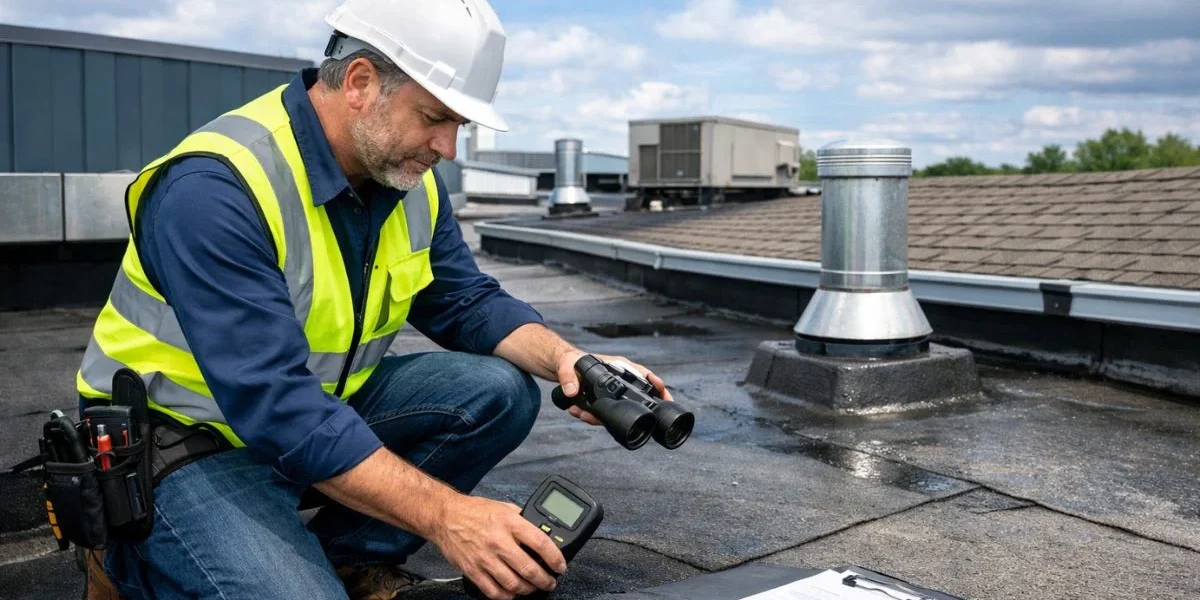
A commercial roof is a significant investment, and its proper maintenance is crucial for the safety and longevity of your building. Regular inspections by professional commercial roof inspectors ensure that your roof remains in top condition, reducing the likelihood of costly repairs. Having a qualified commercial roofing inspector assess the condition of your roof will not only help detect early signs of damage but also extend the life of your roofing system. By scheduling regular roof inspections, you ensure that your business can operate without interruptions caused by roof failures. This proactive approach helps prevent unexpected emergencies and reduces the overall cost of repairs.
A roofing inspector commercial brings a high level of expertise to the table. Their trained eye can identify minor issues that might otherwise go unnoticed, preventing them from escalating into more significant and expensive problems. For example, issues like missing shingles or clogged gutters might seem insignificant, but left unchecked, they could cause water damage or mold growth inside your building. Therefore, it’s essential to invest in routine inspections to maintain a sound roofing system.
Moreover, a licensed commercial roof inspector ensures that your property remains in compliance with local regulations. These inspectors are up to date with current building codes and safety standards. Whether it’s a flat roof, sloped roof, or metal roof, the expertise of a certified inspector guarantees that your roof meets the necessary standards to protect your property and occupants.
Why Hiring a Commercial Roof Inspector is Essential
When it comes to safeguarding the structure of your building, hiring a commercial roof inspector is one of the most important decisions you can make. A commercial roof plays a significant role in keeping your building safe, weatherproof, and insulated. Any issues with the roof can lead to serious consequences, including water damage, higher energy bills, or even structural integrity concerns. A commercial roofing inspector specializes in identifying these potential risks, ensuring they are addressed promptly.
The primary advantage of hiring a roof inspector commercial is early detection. Roof damage is not always visible to the untrained eye, and some signs of deterioration can remain hidden for months or even years. However, a professional roofing inspector is trained to spot subtle signs of damage, such as minor leaks, cracks in the membrane, or issues with flashing. Detecting these issues early can prevent more severe damage and costly repairs later on. This proactive approach can also help extend the life of your roof, saving you money in the long term.
Additionally, by hiring an experienced licensed commercial roof inspector, you can ensure that your roof is always compliant with the necessary regulations and standards. This is especially crucial for large buildings or those located in areas with specific weather challenges. Having a licensed professional ensures that your roof is properly maintained and meets all local code requirements, offering you peace of mind.
Key Components of a Commercial Roof Inspection
A commercial roof inspection is a thorough process that involves assessing multiple aspects of the roof system. The main components inspected include the roof surface, drainage system, flashing, and attic or interior space. During an inspection, the commercial roofing inspector will check the roof surface for signs of wear and tear, including cracks, missing shingles, or loose materials. For flat roofs, the inspector will examine for pooling water, which can lead to leaks and other issues.
The drainage system is another critical component of a roof inspection. Clogged gutters or downspouts can prevent water from flowing away from the roof properly, leading to water buildup and potential damage. A roofing inspector commercial will ensure that these systems are functioning as they should, providing adequate water runoff. This helps prevent standing water from damaging the roofing material, which could result in leaks and further structural problems.
Flashing, which seals areas where the roof meets walls, chimneys, or vents, is also a major focus during an inspection. The commercial roof inspector will check for any signs of damage or wear in the flashing, as this could lead to leaks or water infiltration. Finally, the inspector will assess the roof’s interior components, including the attic or ceiling, for signs of water damage, mold, or deterioration. All of these checks help ensure the roof is in optimal condition and that no hidden issues are overlooked.
The Advantages of Hiring Experienced Commercial Roof Inspectors
Hiring experienced commercial roofing inspectors is essential for ensuring that your building’s roof is properly maintained. With years of experience, these professionals are well-equipped to handle any type of commercial roof, from flat roofs to pitched or metal roofs. Their expertise allows them to identify both obvious and subtle signs of damage, which can prevent future issues. An experienced commercial roof inspector knows exactly where to look for potential problems that others may miss, such as under the flashing, in roof vents, or around seams.
One key advantage of hiring an experienced inspector is their ability to provide accurate and reliable assessments. They can quickly diagnose roof issues, recommend the most effective repair options, and offer advice on how to extend the roof’s lifespan. Whether it’s a simple repair or a complex replacement, experienced inspectors can provide the necessary expertise to handle the job. Their extensive knowledge can also help guide decisions regarding roof maintenance, helping business owners stay within their budgets while ensuring the roof is safe and functional.
Furthermore, experienced commercial roofing inspectors are familiar with the latest roofing technologies, trends, and materials. They can advise you on energy-efficient roofing solutions that can help lower your building’s utility costs. Additionally, their experience means they are familiar with local building codes and industry standards. This ensures that any necessary repairs or installations comply with local regulations, giving you peace of mind that your property is safe and up to code.
The Role of Licensed Commercial Roof Inspectors
Hiring a licensed commercial roof inspector is crucial when you need professional roofing services. A licensed commercial roofing inspector has undergone the necessary training and certification to perform detailed roof inspections. This ensures they are up to date with the latest industry standards, safety protocols, and local building codes. A licensed inspector brings a level of professionalism and accountability that is essential for maintaining the integrity of your commercial roof.
In addition to their technical expertise, licensed commercial roof inspectors are familiar with insurance requirements and can help you navigate the claims process if your roof sustains damage. Having a licensed inspector inspect your roof can also prevent future issues with property insurance. Insurance companies often require a certified inspection before approving claims, and a licensed inspector’s report carries more weight than one from an unlicensed contractor. By hiring a licensed inspector, you ensure that the job is done properly and in compliance with industry regulations.
Lastly, a licensed commercial roof inspector can provide valuable documentation and reports that can serve as legal evidence if any disputes arise about your roof’s condition. This can be crucial when dealing with property management, contractors, or insurance companies. The peace of mind that comes with hiring a licensed professional ensures that your roof receives the highest level of care and attention.
How Often Should You Schedule a Roof Inspection?
Scheduling regular roof inspections is crucial for maintaining the integrity of your commercial building. While the frequency of inspections depends on several factors, a general rule of thumb is to have your roof inspected at least once a year. Regular inspections ensure that any small problems are detected before they turn into costly issues. For instance, a roofing inspector commercial can identify issues like clogged gutters or small leaks that might otherwise go unnoticed and become serious problems over time.
In addition to annual inspections, you should schedule a roof inspection after severe weather events, such as heavy rain, windstorms, or snow. These types of weather conditions can cause significant damage to roofs, including lifting shingles, puncturing membranes, or loosening flashing. A licensed commercial roof inspector will check for any weather-related damage and ensure that your roof is secure and functioning properly.
The age of your roof also plays a role in determining how often inspections should occur. Older roofs, or roofs that have experienced significant wear and tear, may need more frequent inspections to ensure they remain in good condition. A proactive approach can help extend the life of your roof and prevent costly repairs. A qualified commercial roofing inspector can tailor an inspection schedule that fits the needs of your building and its roof type.
Common Issues Found During Commercial Roof Inspections
During a commercial roof inspection, inspectors frequently identify several common issues that can affect the roof’s performance and longevity. One of the most common problems is leaks, which can be caused by damaged shingles, flashing, or roof penetrations. These leaks can lead to water damage, mold growth, and structural issues if not addressed promptly. A roof inspector commercial will carefully check for any signs of leaks and recommend immediate repairs to prevent further damage.
Another common issue found during inspections is poor drainage. Clogged gutters, downspouts, and drains can cause water to pool on the roof, leading to increased wear and tear. This standing water can cause roofing materials to deteriorate, resulting in leaks or weakened roofing systems. A licensed commercial roof inspector will inspect the roof’s drainage system and ensure that all gutters and downspouts are clear and functioning properly.
Cracked or missing shingles is also a frequent issue found during inspections, particularly on older roofs. Over time, roofing materials can degrade due to weather exposure, UV rays, and general wear. If shingles are cracked or missing, it can expose the roof’s underlying layers to water and other damaging elements. A qualified commercial roofing inspector will identify these issues early and recommend repair or replacement of the damaged shingles to prevent leaks and further damage to the roof.
The Benefits of Local Commercial Roof Inspectors
Hiring local commercial roof inspectors offers several key advantages that can improve the overall inspection and maintenance process. One of the main benefits of working with a local inspector is their familiarity with the specific climate conditions in your area. For example, if your building is located in a region prone to heavy rain or extreme temperatures, a local inspector will be aware of these challenges and can provide insights on how to best protect your roof from the elements. Their knowledge of local weather patterns ensures that your roof is prepared to withstand the conditions it faces.
Additionally, local commercial roofing inspectors can offer quicker response times. If an urgent issue arises, such as a roof leak following a storm, a local inspector can be on-site more quickly than one located far away. This prompt response can help prevent further damage and ensure that repairs are made as soon as possible, reducing downtime for your business operations.
Another advantage of hiring a local commercial roof inspector is that they are often more familiar with the region’s building codes and regulations. They will ensure that your roof meets all local standards, helping you avoid fines or complications when dealing with property insurance claims. By choosing a local inspector, you’re also supporting your community while benefiting from a more personalized, efficient service.
Commercial Roof Inspection for Different Roof Types
Every roof type requires a unique approach when it comes to inspections. Whether you have a flat roof, a pitched roof, or a metal roof, each type has specific characteristics that need to be considered during the inspection process. A commercial roofing inspector will tailor the inspection to suit your roof’s particular needs and ensure that every aspect of the roofing system is thoroughly checked.
Flat roofs are particularly prone to drainage issues, as water can easily pool on the surface. A metal roof inspector will focus on checking the seams, panels, and fasteners to ensure there are no signs of rust, wear, or damage. Additionally, flat roofs often have a membrane layer that requires special attention, as it can develop punctures or cracks over time.
For pitched roofs, the primary focus is on the condition of shingles, flashing, and ridge caps. These areas can deteriorate due to exposure to the elements, and a roofing inspector commercial will check for signs of wear or missing materials. On metal roofs, inspectors will check for any corrosion, rust spots, or gaps between panels. Understanding the specific issues each type of roof faces ensures that the inspector can provide the most accurate assessment and suggest appropriate repairs.
What to Expect During a Commercial Roof Inspection
A commercial roof inspection typically involves a step-by-step process where the inspector thoroughly evaluates the condition of the roof. The process usually starts with a visual inspection of the exterior of the roof. The roofing inspector commercial will look for signs of damage, such as missing shingles, cracks, or areas of wear. They will also check the condition of the roof’s flashings, which seal the joints and transitions between different roof surfaces.
Once the exterior inspection is complete, the inspector will often perform a more detailed check of the interior, particularly if there are signs of leaks. This could involve checking the attic, ceilings, and walls for signs of water infiltration, mold, or water stains. The licensed commercial roof inspector may also use specialized tools, such as moisture meters or infrared cameras, to detect hidden issues that might not be visible to the naked eye.
During the inspection, the commercial roofing inspector will also evaluate the roof’s drainage system. This includes checking gutters, downspouts, and drains to ensure that water flows freely and does not accumulate on the roof. After completing the inspection, the inspector will provide a detailed report outlining any findings, necessary repairs, and recommendations for future maintenance.
Commercial Roof Inspections After Severe Weather Events
Severe weather events, such as heavy storms, hail, or high winds, can cause significant damage to commercial roofs. After a storm or extreme weather conditions, it’s essential to have a roof inspector commercial assess your roof’s condition to determine if there are any hidden damages. Strong winds can lift shingles or panels, while hail can cause punctures or dents, especially on metal roofs. A licensed commercial roof inspector will carefully inspect the roof for any damage caused by the storm.
In addition to checking the surface of the roof, the inspector will also examine the roof’s drainage system. If a storm has caused blockages or backups, it can lead to pooling water, which can weaken the roofing material over time. By identifying these issues early, a commercial roofing inspector can help prevent further damage and ensure that your roof continues to protect your building effectively.
After a severe weather event, it’s important not to delay scheduling a roof inspection. A timely inspection can help you avoid expensive repairs later and ensure that any damages are documented for insurance claims. A local commercial roof inspector is often best suited to handle post-storm inspections, as they are familiar with the specific weather risks in your area and can quickly address any urgent issues.
How a Commercial Roof Inspection Can Save You Money
One of the most significant benefits of scheduling regular commercial roof inspections is the potential to save money on costly repairs and replacements. Roof issues, such as leaks, damaged flashing, or clogged gutters, can cause extensive damage if left unnoticed. The longer these issues are left untreated, the more likely they are to cause secondary problems, such as water damage to the building’s interior. Early detection through regular inspections can catch these problems before they escalate, saving you money on more expensive repairs.
Additionally, experienced commercial roofing inspectors can help you plan and budget for future roof maintenance. By understanding the current condition of your roof, they can provide a clear picture of when repairs or replacements may be needed. This foresight allows you to allocate resources efficiently and avoid unexpected, last-minute expenses. Maintaining your roof through regular inspections can extend its lifespan, reducing the frequency and cost of major repairs or replacements.
A licensed commercial roof inspector also ensures that your roof remains compliant with local building codes, which can prevent fines or penalties. Moreover, regular inspections can improve your building’s energy efficiency by ensuring that the roof’s insulation and ventilation systems are functioning properly. In the long run, these savings can significantly outweigh the cost of the inspection itself.
Choosing the Right Commercial Roof Inspector for Your Property
When selecting a commercial roof inspector, it’s essential to choose someone with the right qualifications and experience to ensure the job is done correctly. Start by looking for licensed commercial roof inspectors who have the necessary certifications and training to perform detailed inspections. A licensed inspector will have a comprehensive understanding of roofing systems and will be familiar with local building codes and regulations. This ensures that your inspection meets all necessary requirements.
Next, consider the inspector’s experience with your type of roof. Whether you have a flat roof, metal roof, or sloped roof, each type requires specialized knowledge. Experienced commercial roofing inspectors will know the unique challenges associated with different roof types and be able to identify specific issues that may arise.
Finally, it’s important to check reviews and references from previous clients. A reputable commercial roof inspector should have a history of satisfied customers who can speak to the quality and reliability of their work. Additionally, a local inspector familiar with your area’s weather conditions and common roofing problems will be more valuable than one with little local knowledge.
Conclusion
In conclusion, regular commercial roof inspections are a vital part of maintaining your property and protecting your investment. Whether you’re dealing with minor wear and tear or more significant damage, commercial roof inspectors help ensure your roof remains in optimal condition, saving you money and preventing costly repairs. By hiring experienced commercial roofing inspectors, you gain peace of mind knowing that potential issues are addressed promptly. With the guidance of a licensed commercial roof inspector, you can extend the life of your roof and ensure that your building is secure for years to come. Make proactive inspections part of your property maintenance strategy to safeguard your business and avoid unexpected disruptions caused by roof damage.
Frequently Asked Questions
What is a commercial roof inspection?
A commercial roof inspection is a thorough evaluation of the roofing system of a commercial building. A roof inspector commercial examines various components such as the roof surface, drainage system, flashing, and interior spaces to identify any signs of damage or wear.
Why do I need a licensed commercial roof inspector?
Hiring a licensed commercial roof inspector ensures that the inspection meets professional standards and local building codes. A licensed inspector has the necessary training and expertise to perform an accurate and compliant inspection.
How often should I schedule a commercial roof inspection?
It’s recommended to have a commercial roof inspector evaluate your roof at least once a year. Additionally, you should schedule an inspection after significant weather events, such as storms or heavy snowfalls, to ensure your roof remains intact.
What are the most common issues found during commercial roof inspections?
Common issues include leaks, clogged gutters, damaged shingles or flashing, poor drainage, and water pooling on flat roofs. Commercial roof inspectors are skilled at detecting these problems early, helping to prevent further damage.
How can a commercial roof inspection save me money?
By identifying minor issues early, a commercial roofing inspector can prevent them from turning into more significant, costly repairs. Regular inspections can also help extend the lifespan of your roof, delaying expensive replacements.
Can a roof inspection prevent leaks?
Yes, during a commercial roof inspection, a roofing inspector commercial checks for signs of damage, such as cracks or gaps in roofing materials, that could lead to leaks. Early detection can prevent leaks from becoming a bigger issue.
What should I expect during a commercial roof inspection?
A commercial roof inspector will conduct a visual inspection of the roof’s surface, drainage system, flashing, and interior spaces. They may use specialized tools like moisture meters or infrared cameras to detect hidden issues.
Are local commercial roof inspectors better?
Yes, local commercial roof inspectors are familiar with the specific climate conditions and roofing challenges in your area. Their local knowledge ensures they can provide accurate recommendations and timely services.
How long does a commercial roof inspection take?
The duration of a commercial roof inspection depends on the size and complexity of the roof. Typically, a roof inspection can take anywhere from one to three hours, but larger buildings may require additional time.
What happens if issues are found during a roof inspection?
If a commercial roof inspector identifies issues during the inspection, they will provide a detailed report outlining the damage and recommended repairs. The inspector may also suggest maintenance tips to prevent future problems and extend the life of the roof.


