
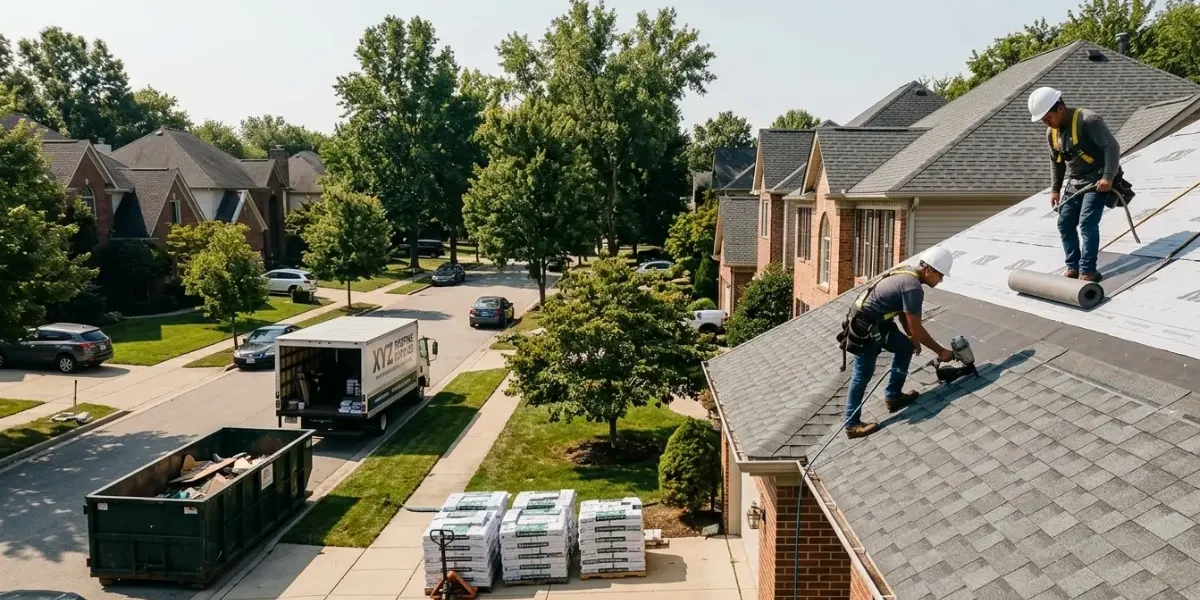
A new roof is one of the biggest exterior projects a homeowner can face. One of the first questions people ask is simple.
How long does it take to install a roof?
The short answer is that most residential roof installation projects take 1 to 3 days. However, the real timeline depends on roof size, material, weather, structural condition, and contractor planning.
Some homes can be finished in a single day. Others may take a week or longer, especially when dealing with premium materials like slate or when hidden damage appears after the old roof is removed.
Understanding the full process helps homeowners plan better, avoid surprises, and make informed decisions.
This guide explains realistic roofing timelines based on real industry practices, contractor workflows, and homeowner expectations.
Average Residential Roof Installation Timeline
For most homes in the United States, residential roofing installation follows this general timeline.
| Roof Type | Average Installation Time |
|---|---|
| Asphalt shingle roof | 1 to 3 days |
| Metal roofing installation | 2 to 5 days |
| Tile roof installation | 5 to 10 days |
| Slate roof installation | 6 to 14 days |
| Flat roofing systems | 2 to 4 days |
This estimate usually includes removal of the old roof, deck inspection, underlayment placement, and final material installation.
Larger homes, steep slopes, or complex roof designs can add extra time.
What Happens Before Roof Installation Starts
Roof work does not begin on installation day. Preparation often starts several days earlier.
Professional contractors usually complete these steps first.
Roof Inspection and Measurement
Before materials arrive, the roofing company performs a full inspection.
This includes:
• Measuring roof dimensions
• Checking roof pitch
• Identifying damaged decking
• Inspecting flashing areas
• Reviewing ventilation systems
• Looking for water intrusion signs
Many contractors now use drone mapping software and digital measurement tools such as EagleView and Hover Roofing Software.
These tools improve planning accuracy.
Material Ordering
Roofing materials must be ordered and delivered before installation begins.
Common materials include:
• Asphalt shingles
• Metal panels
• Synthetic underlayment
• Ice and water shield
• Ridge vents
• Flashing materials
• Roofing nails and sealants
Material delays can affect scheduling.
Permit Approval
In many cities, residential roof replacement requires permits.
Local building departments may need:
• Contractor license details
• Project specifications
• Structural compliance documents
Permit approval can add several days before physical work starts.
Day by Day Roof Installation Process
Knowing the daily workflow helps homeowners understand what to expect.
Day 1: Roof Tear Off and Inspection
The first day usually begins with removing old roofing materials.
Contractors use tear off tools to remove:
• Old shingles
• Underlayment
• Damaged flashing
• Roofing nails
This stage can reveal hidden issues such as:
• Rotten plywood
• Mold growth
• Water damage
• Structural sagging
Unexpected repairs may extend installation time.
Dumpster placement and debris cleanup are also part of this stage.
Day 2: Roof Deck Preparation and Waterproofing
Once the old roof is removed, the roof deck is prepared.
This includes:
Deck Repairs
Damaged wood sheathing is replaced.
This step is essential because new roofing should never be installed over compromised decking.
Underlayment Installation
Roofers install protective layers such as:
• Synthetic underlayment
• Ice and water barriers
• Drip edge systems
These materials help prevent future leaks.
Flashing Installation
Flashing is installed around:
• Chimneys
• Skylights
• Roof valleys
• Vent pipes
Proper flashing work often determines roof lifespan.
Day 3: Final Roofing Material Installation
The final major phase is placing the visible roofing material.
For asphalt shingles, crews usually work section by section.
Tasks include:
• Starter strip placement
• Main shingle alignment
• Ridge cap installation
• Vent placement
• Sealant application
After installation, contractors perform final cleanup and magnetic nail sweeping.
Factors That Affect Roof Installation Time
Not every roof follows the same schedule.
Several factors can extend or shorten the timeline.
Roof Size
Larger homes naturally require more labor hours.
Examples:
• 1,200 square foot roof may take 1 day
• 2,500 square foot roof may take 2 to 3 days
• 4,000 square foot roof may take 4 to 5 days
Roofing Material Type
Material selection has a major impact.
Asphalt Shingles
Fastest and most common option.
Easy installation and wide contractor familiarity make this the quickest roofing system.
Metal Roofing Installation
Many homeowners ask about how to install metal roofing because of its long lifespan.
Metal roofing installation often takes longer because workers must:
• Measure custom panels
• Cut metal precisely
• Secure concealed fasteners
• Install specialized trim
Standing seam metal roofs usually require skilled crews.
Tile and Slate Roofing
These heavy materials require slower handling and structural verification.
Installation may take more than a week.
Weather Conditions
Rain is the biggest delay factor.
Roofers often pause work during:
• Heavy rain
• Snow
• High winds
• Extreme heat
Safety rules matter.
Even light moisture can delay underlayment installation.
Roof Complexity
Simple roofs install faster.
Complex roofs include:
• Multiple valleys
• Dormers
• Skylights
• Steep slopes
• Chimney intersections
Each detail adds labor time.
Crew Size
A five person crew may need three days.
A ten person crew may finish the same project in one day.
Experienced contractors scale labor based on project size.
How Homeowners Can Help the Installation Go Smoothly
Homeowners can reduce delays by preparing before installation day.
Clear Outdoor Areas
Move:
• Vehicles
• Patio furniture
• Potted plants
• Outdoor decorations
This protects belongings and gives crews room to work.
Protect Attic Items
Roof work creates vibration.
Dust can fall from attic ceilings.
Cover storage boxes and valuables.
Inform Neighbors
Roof installation can be loud.
A quick notice helps maintain good neighbor relations.
Signs Your Roof Project May Take Longer
Some warning signs suggest extended timelines.
These include:
• Water damaged roof decking
• Multiple roof layers
• Permit delays
• Material backorders
• Severe weather interruptions
• Structural repairs
• Skylight replacement
• Chimney flashing rebuilds
Professional contractors should communicate delays clearly.
How to Choose a Roofing Contractor That Stays on Schedule
Installation speed should never replace quality.
Ask contractors these questions:
• How many crew members will be assigned?
• What is the expected timeline?
• What happens if weather delays occur?
• Will decking repairs change the schedule?
• How is debris removed daily?
• Do you use project management apps?
Residential Roof Installation Timeline by Home Type
| Home Type | Typical Timeline |
|---|---|
| Small single family home | 1 to 2 days |
| Medium suburban home | 2 to 3 days |
| Large custom home | 3 to 5 days |
| Luxury estate home | 5 to 10 days |
| Historic home restoration | 1 to 3 weeks |
Older homes often need extra structural work.
Common Homeowner Questions During Roof Installation
Many homeowners worry when they see exposed decking.
Temporary exposure is normal during active work.
Professional crews use protective coverings if weather changes unexpectedly.
Noise is also expected.
Hammering, debris removal, and material delivery can be disruptive for one to three days.
Pets and children may feel stressed, so temporary relocation can help.
FAQs
How long does it take to install a roof on an average home?
Most homes need 1 to 3 days for full installation, depending on size and roofing material.
Can a roof be installed in one day?
Yes. Smaller homes with simple asphalt shingle systems can often be completed in one day by large crews.
How long does metal roofing installation take?
Most metal roofing installation projects take 2 to 5 days because panels require precision fitting.
Does bad weather delay roof installation?
Yes. Rain, strong winds, and snow often pause roofing work for safety and quality reasons.
What if damaged wood is found under the roof?
Roofers usually replace damaged decking before continuing. This can add one or more days.
Is residential roof installation noisy?
Yes. Expect hammering, footsteps, and debris movement during working hours.