A new roof is one of the most important investments a property owner can make. It protects the structure, improves energy performance, and affects long term maintenance costs. Yet many homeowners focus only on material selection and price while overlooking one critical factor: installation quality.
Many expensive roofing problems begin on installation day.
A roof can look perfect from the street while hidden errors slowly lead to leaks, mold, structural damage, insulation failure, and premature replacement. In many cases, these issues appear months or even years after the contractor has finished the work.
Understanding common roofing installation mistakes helps homeowners, property managers, and builders avoid major financial loss.
This guide explains the most common roof installation mistakes, how to identify roof installation issues, and what steps can prevent a roof installed incorrectly.
Why Roof Installation Errors Matter More Than Most Homeowners Realize
Roof systems work as layered assemblies. Every component must function together.
A proper roof installation includes:
• Roof decking inspection
• Moisture barrier placement
• Underlayment installation
• Flashing integration
• Ventilation planning
• Fastener placement
• Material alignment
• Waterproof sealing
• Final quality inspection
If one layer fails, the entire system can become vulnerable.
According to the National Roofing Contractors Association and the International Code Council, installation defects are among the leading causes of premature roof failure in residential and commercial buildings.
Many roof installation issues do not come from poor materials. They come from rushed labor, lack of training, skipped steps, or poor supervision.
That is why identifying roofing installation mistakes early can save thousands in future repairs.
Most Common Roofing Installation Mistakes
Improper Roof Deck Preparation
Roof installation should never begin without checking the deck underneath.
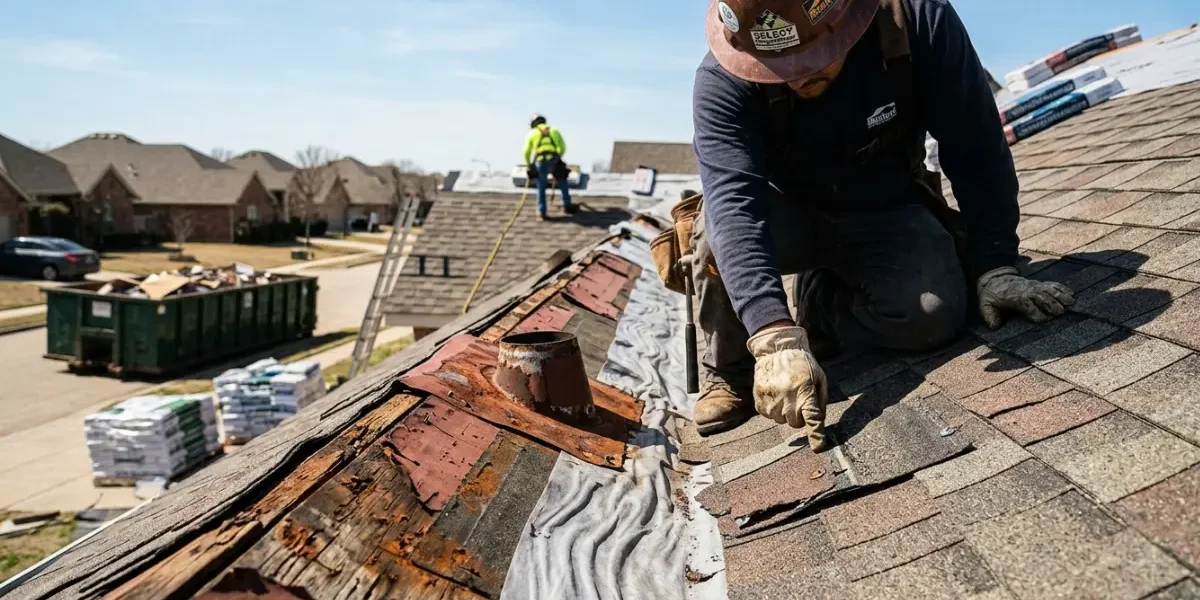
One of the most common roofing installation mistakes is installing shingles or roofing membranes over damaged decking.
Common hidden deck problems include:
• Soft wood caused by moisture damage
• Rot near roof valleys
• Warped plywood panels
• Mold contamination
• Structural sagging
• Loose sheathing nails
Installing roofing over weak decking can lead to:
• Uneven roof lines
• Fastener failure
• Shingle lifting
• Water intrusion
• Structural instability
Professional roofers should replace damaged decking before any roofing materials are installed.
Skipping this step often leads to a roof installed wrong from the foundation upward.
Incorrect Underlayment Installation
Roof underlayment acts as the secondary water barrier beneath shingles or tiles.
If installed incorrectly, water can penetrate even if the outer roof looks intact.
Common roof installation mistakes include:
• Wrinkled underlayment
• Improper overlap spacing
• Missing ice and water shield
• Torn membrane sections
• Wrong material selection
• Poor attachment methods
Underlayment errors often lead to hidden leaks inside attic spaces.
Brands like GAF, CertainTeed, and Owens Corning provide detailed installation standards, yet contractors sometimes ignore manufacturer guidelines to save time.
That decision can void warranties.
Poor Flashing Installation
Flashing failure is one of the biggest causes of roof leaks.
Flashing protects vulnerable areas such as:
• Chimneys
• Skylights
• Roof valleys
• Plumbing vents
• Dormers
• Wall intersections
Roof installation errors with flashing often include:
• Missing step flashing
• Improper sealant use
• Reused old flashing
• Incorrect overlap
• Nail exposure
• Weak metal bending
A roof installed incorrectly around flashing points can leak during the first major rainstorm.
Water intrusion around flashing often causes hidden mold growth and insulation damage before homeowners notice visible stains.
Improper Shingle Nailing
Incorrect nailing is one of the most frequent roof installation mistakes.
Even experienced crews can make mistakes when rushing.
Common errors include:
• High nailing
• Under driven nails
• Over driven nails
• Crooked placement
• Too few nails
• Wrong nail type
Improper fastening can cause:
• Shingle blow off during storms
• Reduced wind resistance
• Warranty denial
• Premature aging
• Water penetration
Manufacturers like IKO Roofing and Atlas Roofing provide exact nail placement zones for this reason.
A roof installed wrong at the nailing stage may fail long before expected lifespan.
Poor Roof Ventilation Planning
Ventilation is often ignored during roofing work.
Without balanced intake and exhaust airflow, roofing systems can trap heat and moisture.
This can lead to:
• Shingle curling
• Mold growth
• Higher energy bills
• Ice dams
• Wood rot
• Reduced attic lifespan
Common roofing installation mistakes include:
• Blocked soffit vents
• Missing ridge vents
• Incorrect vent sizing
• Too few exhaust openings
The U.S. Department of Energy emphasizes attic ventilation for roof durability and energy efficiency.
Poor ventilation can damage even a perfectly installed roof covering.
Misaligned Roofing Materials
Visual alignment matters.
Improper shingle placement often signals deeper workmanship issues.
Signs include:
• Uneven shingle rows
• Crooked pattern lines
• Gaps between materials
• Exposed underlayment
• Inconsistent overhang
This often indicates rushed labor or weak supervision.
Roof installation issues involving alignment may also affect waterproofing performance.
A roof installed incorrectly may look acceptable from a distance while hiding serious vulnerabilities.
Ignoring Local Building Codes
Roofing work must comply with local code requirements.
Common violations include:
• Wrong underlayment type
• Insufficient fastening
• Improper fire ratings
• Ventilation non compliance
• Incorrect slope application
Cities often follow standards from:
• International Residential Code
• ASTM International
• National Roofing Contractors Association
Ignoring code can cause:
• Failed inspections
• Insurance disputes
• Resale complications
• Legal liability
A contractor unfamiliar with local roofing regulations can create expensive future problems.
Warning Signs Your Roof Was Installed Incorrectly
Homeowners should inspect for signs of roof installation issues after project completion.
Common warning signs include:
• Uneven roof appearance
• Loose shingles
• Missing flashing
• Visible nail heads
• Water stains in attic
• Mold smell indoors
• Sagging roof lines
• Granule loss soon after installation
• Dripping after rain
• Increased energy bills
Some roof installed wrong problems are visible immediately.
Others may remain hidden until seasonal weather exposes weaknesses.
Professional roof inspections help identify hidden installation defects early.
Why Roofing Installation Mistakes Happen
Roofing errors often result from preventable human factors.
Low Cost Contractor Selection
Choosing the cheapest bid often leads to rushed labor and inexperienced crews.
Lack of Manufacturer Certification
Certified installers from systems like GAF Master Elite or CertainTeed SELECT ShingleMaster receive formal training.
Non certified contractors may miss critical technical requirements.
Poor Job Site Supervision
Without project oversight, mistakes can go unnoticed until completion.
Time Pressure
Crews rushing to finish before weather changes often skip critical steps.
Real World Roofing Failure Example
A homeowner in New York replaced an asphalt shingle roof after hail damage.
Within eight months, interior ceiling stains appeared.
Inspection found:
• Missing drip edge
• Incorrect flashing overlap
• Improper nail placement
• No ice barrier around penetrations
Repair costs exceeded $11,000.
The original contractor had installed the roof incorrectly and denied responsibility.
This situation is common in insurance funded roof replacements where speed is prioritized over craftsmanship.
How to Avoid Roof Installation Mistakes
Hire Certified Roofing Contractors
Look for credentials from:
• GAF
• Owens Corning Preferred Contractor
• CertainTeed
• NRCA
Request Written Scope Details
Your roofing contract should list:
• Materials used
• Underlayment type
• Flashing replacement
• Ventilation updates
• Fastener specifications
• Warranty terms
Ask for Progress Photos
Photo documentation helps verify hidden layers before completion.
Schedule Independent Roof Inspection
Third party inspections can catch roof installation errors before final payment.
Roof Installation Mistakes Comparison Table
| Installation Mistake | Immediate Risk | Long Term Damage |
|---|---|---|
| Improper deck preparation | Uneven roof | Structural failure |
| Bad underlayment placement | Hidden leaks | Mold and rot |
| Poor flashing installation | Water entry | Interior damage |
| Incorrect shingle nailing | Wind damage | Roof replacement |
| Ventilation errors | Heat buildup | Shortened roof life |
| Code violations | Inspection failure | Insurance issues |
Expert Checklist Before Approving a New Roof
Before signing off on a roofing project, confirm:
• Roof lines look straight
• Flashing is new and secure
• No exposed nails
• Ventilation system updated
• Cleanup completed
• Warranty paperwork provided
• Permit inspections passed
• Attic checked for daylight leaks
This simple review can prevent future disputes.
Frequently Asked Questions
What are the most common roofing installation mistakes?
The most common roofing installation mistakes include poor flashing installation, improper shingle nailing, incorrect underlayment placement, ventilation errors, and failing to inspect roof decking.
How can I tell if my roof was installed incorrectly?
Signs include leaks, uneven shingles, exposed nails, sagging areas, attic moisture, mold smell, and visible flashing gaps.
Can a roof installed wrong be repaired?
Yes, many roof installation issues can be repaired if identified early. Severe cases may require partial or full roof replacement.
Does poor roof installation void manufacturer warranties?
Yes. Many roofing manufacturers deny warranty claims when installation instructions were not followed.
Should I get an independent roof inspection after installation?
Yes. A third party roof inspection can identify hidden roofing installation mistakes before final payment.