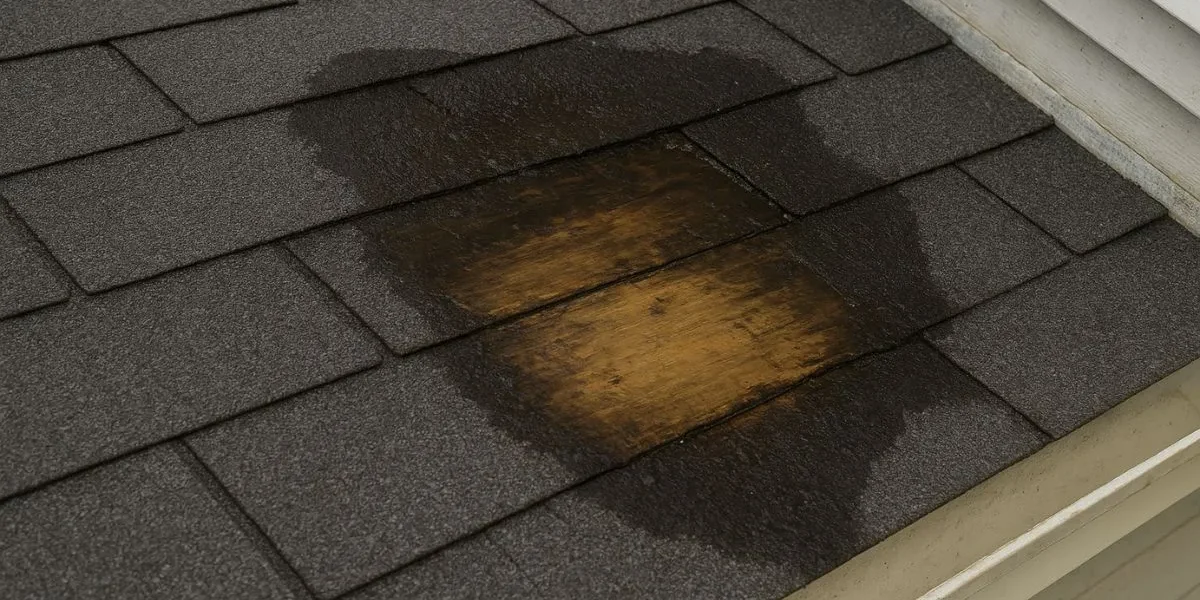
Roof leaks may start small but can quickly cause costly damage if ignored. Water does not always travel straight down, so ceiling stains may appear far from the source. Early detection prevents damage to drywall, insulation, and electrical systems. Even slow drips indicate water penetration that can lead to mold or structural issues.
Leaks are not always from damaged shingles. Common sources include flashing failures, cracked pipe boots, skylights, or old nail holes. Hidden leaks may go unnoticed for months, and sometimes ceiling marks appear while the attic remains dry. Tracing water from low points back to the source ensures accurate repair.
Temporary fixes like patching visible drips only delay the real solution. Proper inspection involves observation, documentation, and locating the entry point. Exterior inspections are crucial when attic access is limited. Missing shingles, damaged vents, deteriorated flashing, and debris can allow water beneath the roof surface.
Understanding common causes, using repair tools, and applying temporary solutions help limit damage, but permanent repair requires professional assessment. Following a systematic approach protects your home and keeps your roof in good condition.
Before You Start Understanding Roof Leaks
Before searching for a roof leak, it is important to understand how water moves across a roof. Ceiling or wall stains may appear far from the source because roofing systems have layers including shingles, underlayment, decking, flashing, and ventilation. Water can travel between these layers before becoming visible inside. G Keith Roofing & Water Proofing explains how roofing materials react to weather, age, and structural movement, helping homeowners see how small rooftop issues can turn into indoor leaks.
Leaks do not always indicate major damage. Water may enter through small gaps, flashing around chimneys, vents, or skylights, or areas exposed to expansion and contraction. Early detection prevents damage to insulation, drywall, and wooden structures, reducing repair costs.
Roofing systems are designed to direct water downward, so any weakness allows moisture under shingles or flashing. Understanding these weaknesses helps locate the source efficiently.
Causes of Roof Leaks
Leaks develop due to weather, poor installation, or structural issues. Heavy rain, wind, and sunlight weaken shingles over time, while flashing, pipe boots, and gutters may fail. Clogged gutters, tree branches, or old nail holes can also allow water inside. Condensation in the attic can mimic leaks, causing stains and damp insulation even when the roof itself is intact. Knowing these causes helps narrow inspections.
Common Misconceptions
Water does not always enter directly above a visible stain. Shingles may look fine while water enters through flashing or nail holes. Slow drips can still damage ceilings, insulation, and wiring. Sealant only provides temporary relief and does not fix the source. Leaks can occur even in mild weather, not just during storms.
Understanding these points helps homeowners inspect more accurately, minimize damage, and ensure proper repair by professionals like G Keith Roofing & Water Proofing.
Identifying the Source of the Leak: Inside-Out Approach
Finding a roof leak is most effective when starting from the inside. This inside-out approach begins where water appears indoors, reducing guesswork and avoiding unnecessary trips on a slippery or unstable roof. Homeowners who contact G Keith Roofing & Water Proofing learn that tracing water stains inside usually leads directly to the leak’s entry point.
Start in the Attic
The attic is the first place to check. It shows signs of active, slow, or seasonal leaks and reveals the moisture path along rafters, decking, and insulation. Even small ceiling stains may indicate a larger pattern developing over time. Inspect during daylight and use a flashlight to see corners and shaded areas, moving carefully to avoid damaging insulation or drywall.
Look for Water Stains
Water stains indicate a leak’s presence and direction. Fresh stains appear dark or shiny, while older ones turn yellow or brown. Inspect decking and insulation for damp spots, heavy or lumpy areas, or discoloration. Pull back insulation gently to confirm whether moisture comes from above or condensation.
Trace Water Trails
Water rarely drops straight down. Start from the lowest visible stain and follow the trail upward along rafters, edges, or old holes. Trails often lead to flashing failures, vent pipes, or chimney lines. Multiple trails may indicate more than one leak. Patience in tracing the path is key to identifying the source accurately.
Check for Light Penetration
Light entering the attic signals potential leaks. Small gaps around vents, nails, or cracks can allow water inside. Turning off attic lights helps daylight reveal openings that may guide exterior inspections. Even tiny pinholes should not be ignored as they can lead to major leaks during heavy rain.
Inspect Decking and Joists
Roof decking and joists show long-term effects of leaks. Look for swelling, warping, soft or crumbly wood, or dark discoloration. Moisture on one or both sides of a joist helps determine the direction water traveled. Damp or sagging decking confirms active leaks and guides the next step: examining the roof exterior.
How to Find a Roof Leak With Attic Access
Attic access makes locating a roof leak easier by providing a close view of the underside of the roof, insulation, and moisture paths. Homeowners who contact G Keith Roofing & Water Proofing often find that checking the attic quickly reveals whether a leak is new, developing, or long-standing. Understanding the attic space helps manage small issues before they turn into costly repairs.
Safe Attic Access
Ensure safe entry before inspecting. Use joists as walking paths and avoid stepping on insulation or drywall. Adjust to the lighting and temperature, and carry a strong flashlight if needed. Attic access allows you to confirm whether moisture comes from a roof leak, condensation, or plumbing.
Signs of Moisture or Water Damage
Look for water stains, drips, or discoloration on exposed wood, beams, and insulation. Fresh leaks appear dark or shiny, while older stains turn yellow or brown. These patterns show the direction of water travel and indicate whether repairs are urgent.
Spotting Water Stains
Water stains can appear as rings, streaks, or dark patches along decking or rafters. Use a flashlight to scan corners, edges, and low points. Even small spots may signal leaks that worsen over time, leading to mold or wood damage if ignored.
Mold and Mildew
Persistent moisture causes mold or mildew on insulation and wood. Mold indicates an older leak and often produces a musty odor. Dark spots or clumps on insulation show slow water absorption, usually from missing shingles, damaged flashing, or weakened seals.
Using Light to Detect Openings
Sunlight entering the attic highlights potential leak points such as nails, vents, skylights, or chimney connections. Turn off attic lights to let natural light reveal tiny openings. Shine a flashlight across surfaces at a low angle to detect wet spots, helping trace both new and old moisture patterns accurately.
How to Find a Roof Leak Without Attic Access
When attic access is not available, a careful exterior inspection helps locate the source of a roof leak. G Keith Roofing & Water Proofing recommends starting with areas where water typically enters. Early signs include moisture marks, loose materials, or worn surfaces. Slow, focused inspection prevents interior damage, mold growth, and costly repairs.
Shingles
Cracked, curled, or missing shingles are a common cause of leaks. Damaged shingles allow water under the roof surface, while missing shingles expose the underlayment. Inspect for bare spots or missing granules and replace shingles promptly to prevent further issues.
Flashing Around Vents, Chimneys, and Skylights
Flashing protects roof fixtures, but loose, rusty, or cracked flashing allows water inside. Check vents, chimneys, and skylights for gaps or separation. Damaged flashing is often the cause of persistent leaks.
Roof Penetrations
Pipe boots, vent seals, and other penetrations can deteriorate over time. Rubber cracks and old sealant fails, creating direct openings for water. Inspect for torn rubber, loose connections, or cracked seals to prevent ongoing leaks.
Roof Valleys and Dormers
Valleys and dormers collect water and debris like leaves or needles, which can block flow and cause pooling. Check for lifted shingles, exposed nails, or cracks. Clearing debris and fixing damage early reduces future leaks.
Gutters and Overhanging Branches
Clogged gutters overflow, pushing water under shingles. Inspect for blockages, sagging, or broken joints. Overhanging branches can lift or damage shingles during storms. Regular gutter cleaning and trimming branches help prevent roof leaks.
Common Causes of Roof Leaks
Understanding the main causes of roof leaks helps detect problems early and avoid costly repairs. Many leaks start small, going unnoticed until they cause interior damage. G Keith Roofing & Water Proofing highlights the key areas homeowners should monitor for long-term protection.
Missing or Damaged Shingles
Cracked, curled, or missing shingles allow water to penetrate the underlayment, causing interior damage. Regular inspection and prompt replacement prevent long-term leaks.
Roof Objects
Items like antennas, satellite dishes, or decorations can puncture roofing materials and trap moisture. Removing unnecessary items reduces the risk of leaks.
Vents, Exhaust Fans, and Skylights
Cracked rubber boots, loose flashing, or worn skylight seals create openings for water. Checking and resealing these components ensures leak-free protection.
Nails, Screws, and Fasteners
Raised, rusted, or improperly installed nails leave tiny gaps for slow leaks. Securing and sealing fasteners prevents water intrusion.
Valleys and Flashing
Roof valleys handle heavy water flow. Cracked shingles, debris buildup, or damaged flashing in valleys redirects water under the roof. Cleaning and repairing these areas prevents leaks.
Chimneys
Cracks in mortar, loose bricks, or faulty chimney flashing allow water to enter. Inspecting and repairing these components stops leaks around chimneys.
Foot Traffic and DIY Repairs
Walking on the roof or incorrect DIY repairs can loosen shingles and create gaps. Professional inspections and repairs from G Keith Roofing & Water Proofing ensure proper sealing and prevent hidden leaks.
Tree Damage
Overhanging branches and falling limbs can damage shingles and trap moisture. Trimming trees and inspecting for debris reduces the risk of leaks.
Spotting the Leak (Inside Out Approach)
Starting from the inside and moving outward makes finding a roof leak easier. Water can enter at one point on the roof and appear far from that location inside the home. Inspecting interior areas first helps narrow down the source and identify weak points in the roofing system. G Keith Roofing & Water Proofing uses precise inspection techniques to detect hidden leaks quickly.
Start in the Attic
The attic shows the earliest signs of water damage. Look for stains on wood, insulation, and support structures. Checking this area first helps locate leaks before they spread.
Use a Flashlight
A strong flashlight highlights dark spots, wet areas, and yellow or brown patches. Scanning beams and corners reveals slow leaks and moisture patterns that guide the investigation.
Trace Water Trails
Follow stains upward to find the true entry point. Water travels along beams, panels, and fasteners before dripping. This helps identify roof penetrations, flashing issues, and shingle damage accurately.
Look for Light
Check for tiny spots of daylight in dark areas. Any visible light indicates openings where water can enter, such as gaps, loose nails, or damaged shingles. Detecting these micro openings is crucial to preventing leaks.
Temporary Solutions for Roof Leaks
Quick action can reduce water damage, prevent mold, and protect your home until G Keith Roofing & Water Proofing performs a full repair. These are temporary measures, not permanent fixes.
Plastic Tarp
Cover the damaged area with a sturdy tarp and secure it with boards or heavy objects. This blocks rainwater until a professional repair is done.
Roofing Tape or Patches
For small leaks or cracks, roofing tape or patching material can seal minor openings and flashing gaps. Professional evaluation ensures the leak does not return.
Catch Drips
Place buckets or containers under active drips to protect floors, walls, and insulation. Towels help catch splashes, minimizing damage until G Keith Roofing & Water Proofing fixes the leak permanently.
Essential Tools for Roof Leak Repair
Having the right tools makes temporary roof leak repair safer and more effective. These basic items help control water entry and stabilize the area until G Keith Roofing & Water Proofing completes a full repair.
Roofing Tape and Sealant
Use roofing tape or sealant to close small cracks, gaps, and minor flashing leaks. These provide short term protection, while professional repair ensures long lasting results.
Nails, Hammer, and Utility Knife
Secure loose shingles and trim materials with nails, a hammer, and a utility knife. These tools maintain temporary stability until experts perform proper repairs.
Waterproof Tarp or Sheeting
Cover exposed areas with a waterproof tarp to prevent rainwater from entering. It offers reliable temporary protection until a full inspection and repair are completed.
Safety Gloves and Goggles
Always wear gloves and goggles to protect hands and eyes from sharp shingles and debris. Proper safety gear keeps temporary repairs safe until G Keith Roofing & Water Proofing fixes the leak permanently.
Preventing Future Roof Leaks
Consistent maintenance is key to protecting your home from roof leaks. G Keith Roofing & Water Proofing recommends proactive steps to reduce stress on shingles, improve drainage, and maintain structural integrity. Simple actions like cleaning gutters, trimming branches, improving airflow, and scheduling roof inspections can stop minor issues from becoming costly repairs. Routine care extends the life of your roof and ensures rainwater flows away from your home.
Regular Roof Inspections
Inspections catch early signs of leaks before damage occurs. G Keith Roofing & Water Proofing checks shingles, flashing, roof valleys, vents, and other vulnerable areas. Identifying loose shingles, worn materials, or cracked caulk early prevents moisture from entering and avoids costly repairs.
Gutter Maintenance and Cleaning
Clean gutters prevent water from pooling near the roof edge. Debris can cause overflow, leading to leaks or rot. Regular gutter cleaning ensures proper water flow, protects roofing structures, and maintains long term leak prevention.
Trimming Overhanging Branches
Branches rubbing against shingles or dropping debris can weaken the roof. Trimming overhanging branches reduces damage, prevents debris buildup, and keeps the roof surface clear for proper water drainage.
Upgrading Roof Ventilation
Proper ventilation prevents moisture buildup in the attic, which can lead to condensation, mold, and weakened roofing components. Installing ridge vents, soffit vents, or attic fans improves airflow, reduces stress on shingles, and lowers the risk of leaks, keeping your roof strong for years.
Preventing Future Roof Leaks
Preventing roof leaks is one of the most effective ways to protect your home from costly water damage. A well-maintained roof keeps interiors dry, strengthens structural stability, and extends the life of your home. With regular inspections and maintenance from G Keith Roofing & Water Proofing, small issues like loose shingles, clogged gutters, or poor ventilation can be addressed before they turn into major repairs. A proactive routine ensures your roofing system remains durable, moisture-resistant, and ready to withstand seasonal weather.
Regular Roof Inspections
Frequent roof inspections catch early signs of damage before leaks occur. G Keith Roofing & Water Proofing checks for cracked shingles, worn flashing, weakened sealant, and moisture buildup. Inspections at least twice a year and after storms help identify soft spots, prevent water penetration, and extend roof lifespan.
Gutter Maintenance and Cleaning
Clogged gutters allow water to overflow, seep under shingles, and damage roofing materials. Regular cleaning ensures proper water flow, reduces standing water, and protects your home from rot or leaks. G Keith Roofing & Water Proofing recommends seasonal maintenance to keep gutters clear and functioning efficiently.
Trimming Overhanging Branches
Tree branches rubbing against shingles or dropping leaves can trap moisture and promote mold growth. Trimming overhanging branches reduces roof wear, prevents damage, and allows sunlight to reach the roof. G Keith Roofing & Water Proofing advises maintaining nearby trees to protect shingles and keep the roof surface dry.
Upgrading Roof Ventilation
Proper ventilation controls attic temperature and moisture. Poor airflow causes condensation, mold, and potential leaks. Improving roof ventilation enhances air circulation, reduces stress on shingles, and protects the roofing structure. G Keith Roofing & Water Proofing can evaluate and install ventilation solutions to keep your home dry and the roof performing efficiently.
Reach Out to a Roofer to Find Your Roof Leak
Contacting a professional roofer is the most reliable way to locate the source of a roof leak. While homeowners may spot basic signs, certified experts from G Keith Roofing & Water Proofing use advanced tools and experience to detect hidden issues. They understand how water travels, how roofing materials age, and how small cracks develop into major problems. A professional inspection ensures accurate diagnosis, long lasting repairs, and protection from recurring leaks or structural damage.
Why Professional Leak Detection Matters
Leaks often appear far from their source. G Keith Roofing & Water Proofing uses moisture meters, inspection cameras, and expert knowledge to find hidden entry points. This precise approach prevents guesswork, stops water intrusion, and extends the roof’s lifespan.
How Experts Perform a Complete Inspection
Trained roofers inspect shingles, flashing, vents, underlayment, roofing deck, gutters, chimney flashing, and attic ventilation. They examine both interior and exterior areas to trace moisture paths. This thorough evaluation ensures no weak spot is overlooked and helps stop leaks at their source.
Signs You Need Immediate Professional Help
Call a roofer immediately if you notice ceiling stains, bubbling paint, sagging areas, dripping water, mold growth, or wet insulation. Strong attic odors or frequent moisture buildup also indicate serious problems. Prompt action from G Keith Roofing & Water Proofing prevents further damage and costly repairs.
Benefits of Hiring G Keith Roofing & Water Proofing
Choosing G Keith Roofing & Water Proofing ensures expert leak detection and durable repairs. Their team uses high quality, weather-resistant materials to restore your roof. With years of experience, they provide reliable solutions that protect your home and keep your roofing system strong year round.
Frequently Asked Questions
Can Extreme Weather Cause Roof Leaks?
Yes, extreme weather can lead to roof leaks. Heavy rain, strong winds, and hail can loosen shingles, shift flashing, or weaken sealants on your roofing system. When shingles lift or crack, water enters the underlayment. Homeowners in storm prone areas should schedule routine inspections with G KEITH ROOFING AND WATERPROOFING to keep their roof secure.
Can Condensation Cause Roof Leaks?
Condensation forms when warm indoor air meets a colder roof surface and settles on decking inside the attic. Although not a direct leak, the moisture damage looks similar to a roof leak. Poor ventilation or blocked soffits can cause this problem. Improving airflow with G KEITH ROOFING AND WATERPROOFING helps prevent moisture buildup.
Can Clogged Gutters Cause a Roof Leak?
Yes, clogged gutters often cause roof leaks. When gutters overflow, water pools near the roof edge and slips under shingles. Regular gutter cleaning ensures smooth drainage and protects the roofing structure from moisture intrusion.
Can Moss Cause a Roof Leak?
Moss absorbs water and traps moisture against the roof surface. Over time, it lifts shingles and damages the underlayment, leading to roof leaks. Removing moss early protects the roofing system. G KEITH ROOFING AND WATERPROOFING offers safe and effective moss removal services.
Can Snow Cause a Roof Leak?
Snow buildup can cause roof leaks when melting water gets trapped behind ice dams. This water seeps under shingles and enters the attic. Proper insulation and roof ventilation help prevent ice dams and protect your roof during winter.
Should You Use Infrared or Thermal Imaging Technology to Find Your Roof Leak?
Infrared and thermal imaging devices detect temperature differences that may indicate hidden moisture. Although helpful, these tools require trained professionals to interpret the data accurately. G KEITH ROOFING AND WATERPROOFING uses advanced leak detection methods to locate difficult leaks precisely.
Can a Roof Leak Cause a Fire?
Yes, in rare cases a roof leak can cause electrical hazards. Water dripping onto wiring or outlets can lead to short circuits or sparks that increase fire risks. If water appears near electrical points, turn off the power in that area and call a professional immediately.
How Do I Know if My Roof Leak Is Serious?
A roof leak is serious when water spreads, drips consistently, or causes mold growth. Stains, bubbling paint, or musty smells also point to advanced moisture intrusion. An inspection by G KEITH ROOFING AND WATERPROOFING helps prevent further structural damage.
Can a Small Roof Leak Fix Itself?
No, a small leak cannot repair itself. Even minor moisture openings grow larger over time. Water weakens shingles, damages decking, and spreads inside the home. Fixing it early protects your entire roofing system.
How Long Does It Take for a Leak to Cause Mold?
Mold can begin to grow within twenty four to forty eight hours if moisture remains trapped in the attic or roof layers. Quick professional repair from G KEITH ROOFING AND WATERPROOFING prevents mold from spreading.
Is It Safe to Inspect My Roof Alone?
Inspecting your roof alone is unsafe. Roof surfaces can be slippery or weak around damaged areas. Professional roofers know how to navigate safely and use proper equipment. Always let experts handle roof inspections.
Should I Repair the Leak or Replace the Roof?
Repairs are suitable for minor issues like a few damaged shingles or small flashing problems. Replacement is needed for older roofs or widespread damage. G KEITH ROOFING AND WATERPROOFING evaluates the entire roofing system to recommend the best option.